Your roof takes a beating in San Antonio—scorching sun, sudden downpours, and surprise storms. Choosing between flat and sloped roofs isn’t straightforward, and selecting the wrong one can result in costly repairs and headaches.
Each style has real advantages and drawbacks you need to understand. Let’s break down what actually matters so you can make this decision with confidence.
What is a Sloped Roof?
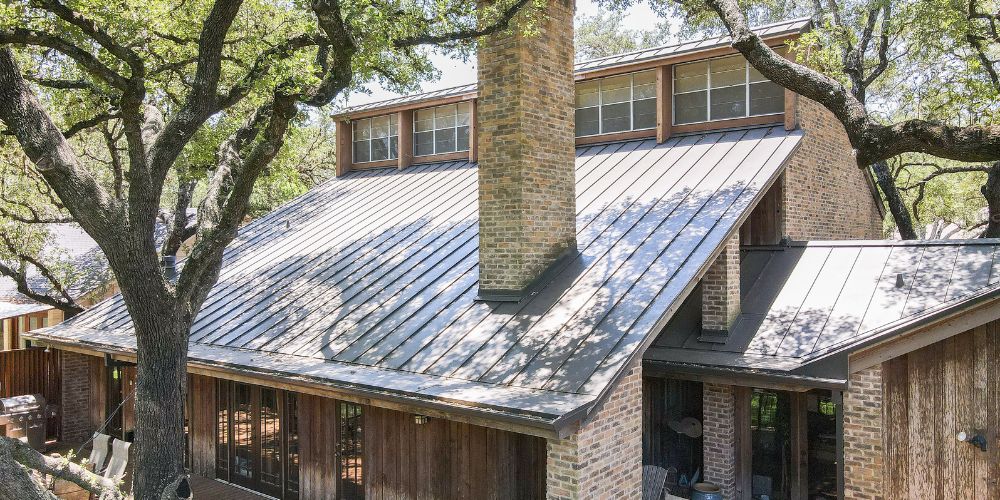
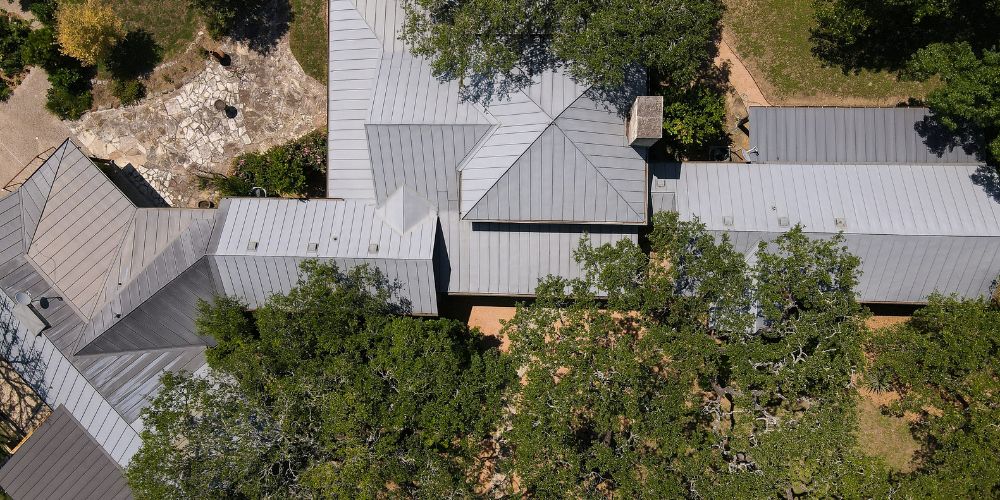
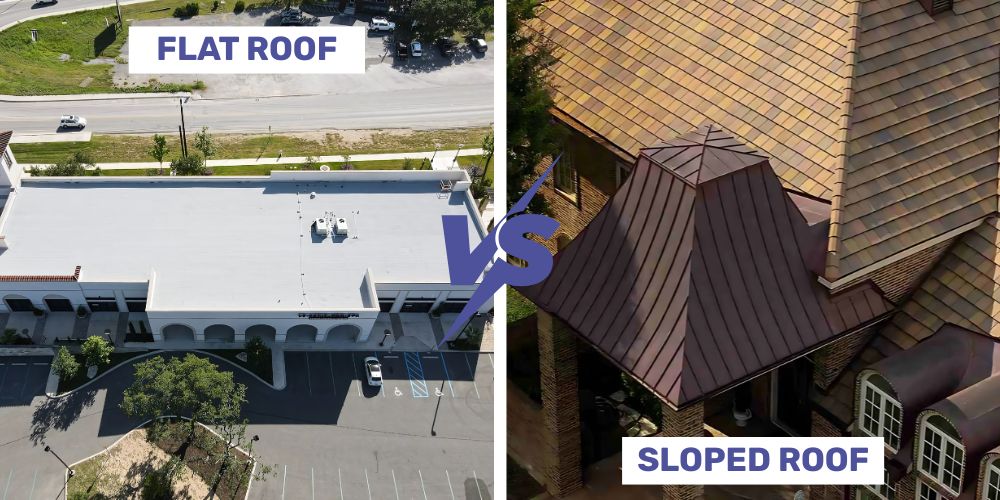
A sloped roof is pretty much what you’d expect—it’s angled instead of completely flat. The whole point is that it has a pitch to it, so when it rains, water rolls right off instead of just sitting there.
You’ve got options with sloped roofing, too. You can choose the traditional peaked roof style that many people know. Alternatively, you can pick a single-slope roof that angles in one direction.
What is a Flat Roof?
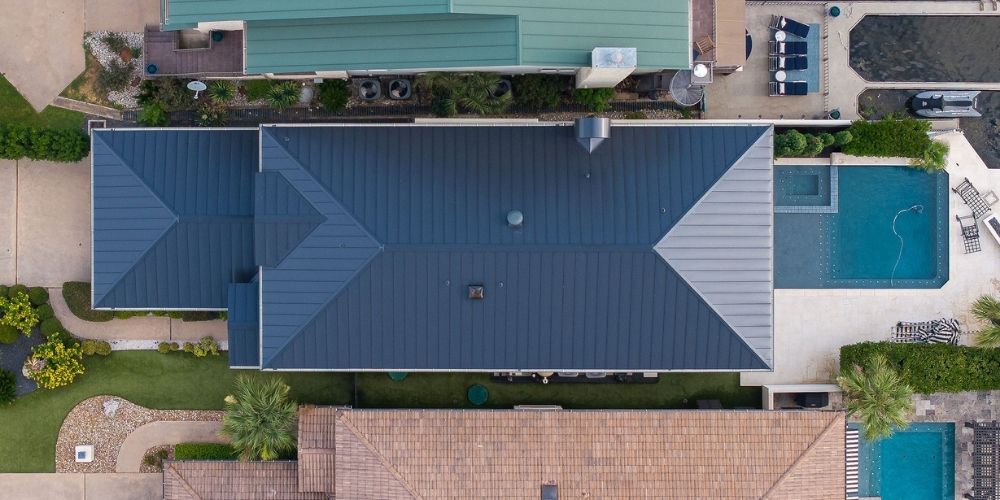
A flat roof isn’t actually completely flat; it has a slight slope, usually around 1/4 inch per foot, to help water drain off.
You’ll see flat-roofed buildings everywhere in San Antonio, from commercial spaces to contemporary homes. The flat rooftop design makes the most of your space. It gives you many options, like rooftop patios, gardens, or solar panels.
Advantages of Sloped Roofs
Let’s talk about why sloped roofs work so well here in San Antonio.
- Better Water Drainage
Your sloped roof works with gravity, not against it. Water flows down and off immediately instead of pooling anywhere. This simple physics means way fewer leak problems and water damage headaches down the road.
- Longer Lifespan
San Antonio gets hit hard during storm season, and sloped roofing handles it like a champ. Without water sitting around causing problems, your angled roof lasts years longer than flat alternatives.
- Classic Appeal
Let’s face it—sloped roofs look right on houses. They boost curb appeal and keep your home looking timeless, which matters when neighbors are selling or you’re thinking about moving.
- Material Options
Your single slope roof design works with whatever material fits your budget and style. Asphalt shingles, clay tiles, and metal roofing all work great on sloped roofing.
Advantages of Flat Roofs
Now let’s look at what makes flat roofing appealing for modern homes and businesses.
- Lower Costs
Flat roofs are easier on your wallet from day one. Less material, simpler installation, and most contractors can handle the work without specialized equipment. You’re looking at significant savings compared to complex sloped roofing systems.
- Simple Maintenance
When something needs fixing, you can actually get up there and see what’s going on.
- Extra Space
This is where flat roofs really shine. Want a rooftop garden? Solar panels? Extra HVAC units? You’ve got a whole usable platform up there.
- Modern Look
If you’re going for that clean, contemporary vibe, flat roofs deliver. They work perfectly with urban architecture and give your building that sleek, no-nonsense appearance that screams modern design.
Drawbacks of Sloped Roofs
While effective in many ways, sloped roofs have some cons, too. In this section, we’ll outline their drawbacks.
- Higher Costs
Sloped roofing hits your wallet harder upfront. You need more materials, specialized labor, and complex structural work.
- Complex Installation
Sloped roof installation isn’t simple. Contractors need safety equipment, scaffolding, and way more time to get everything right.
- Design Limitations
If you’re after that sleek, minimalist look, traditional sloped roofing might not fit your vision.
- Maintenance Challenges
Getting up there to fix problems or clean gutters is no joke. You’ll need professionals for most repairs, which means higher ongoing costs compared to accessible flat alternatives.
Drawbacks of Flat Roofs
While flat roofs are modern and cost-effective, they do have downsides. Let’s have a look.
- Drainage Issues
Here’s the big problem with flat roofs—water doesn’t want to leave. Even with a slight slope, you’ll get pooling after heavy rains. That standing water finds its way into tiny cracks and turns into leaks faster than you’d expect.
- More Maintenance
You’ll be up there checking things way more often than with sloped roofs. Debris piles up, drains get clogged, and small problems become big ones quickly.
- Shorter Lifespan
San Antonio’s weather is tough on flat roofs. All that water around, along with the strong sun, means you will need repairs sooner. This is more likely than with a sloped roof.
Flat vs Sloped Roofs in San Antonio: Which is Better?
Honestly, there’s no perfect answer to the flat vs sloped roof debate in San Antonio. It really comes down to what you need and what you can handle.
If money’s tight and you love that clean, modern look, flat roofs might be your best bet. But if you’re thinking about the long haul and want something that deals with our crazy Texas weather better, most San Antonio roofing folks will steer you toward sloped.
Both work fine here—they just work differently. Your roof choice in San Antonio should match your house, your budget, and how much time you want to spend dealing with maintenance.
Tips for Choosing the Right Roof Type
Start with your budget—be honest about what you can spend now and what you’re willing to pay for maintenance later. Then think about your home’s style. A modern cube house looks weird with traditional shingles, just like a Victorian home doesn’t work with a flat roof.
Consider San Antonio’s weather, too. We get serious rain and storms, so drainage matters more than you might think. Also, check with your HOA if you have one—some neighborhoods have rules about roof types.
Most importantly, talk to local contractors who know our climate. They’ve seen what works here and what doesn’t.
Wrapping Up…
Picking between flat or sloped roofs in San Antonio comes down to your budget, style preferences, and how long you want it to last. Both have trade-offs with drainage and maintenance. Mangold Roofing knows San Antonio weather and can help you choose what works best for your home.