Strong winds can damage your roof if metal panels overhang too far.
A large overhang behaves like a sail, catching strong winds during storms. But a tiny overhang exposes your home’s exterior to moisture and damages your foundation.
The right metal roof overhang size is essential for long-term durability.
We’ll explain the perfect measurements and how to keep your overhang safe and lasting.
What Is Roof Overhang, and Why Does It Matter?
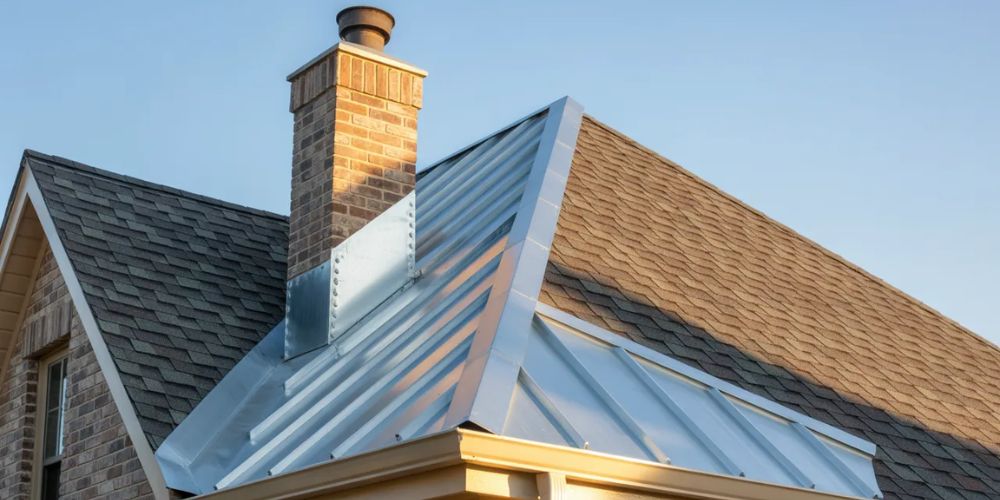
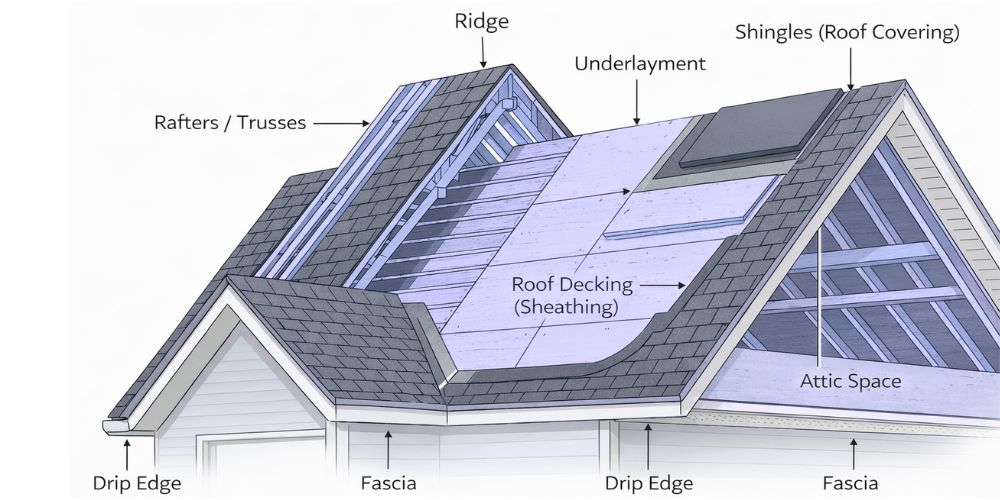
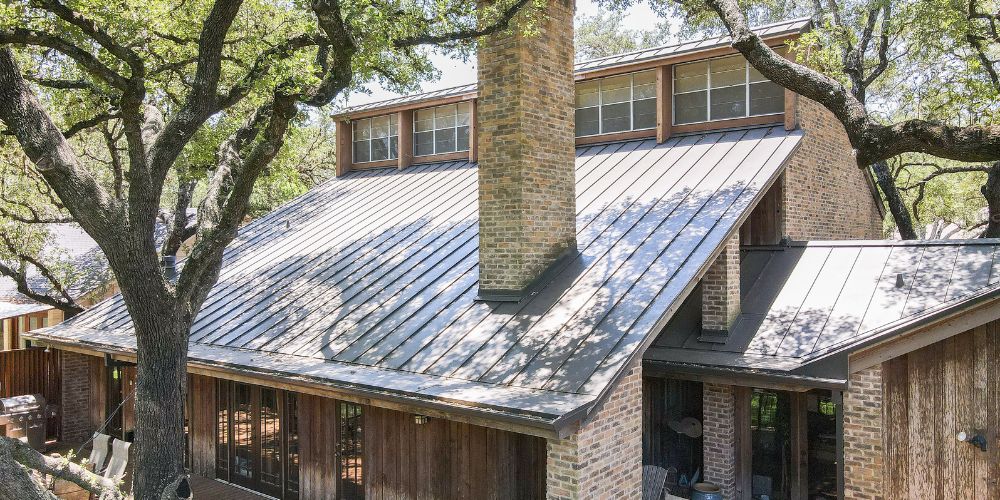
A roofing overhang refers to the portion of the roof that extends beyond the exterior walls.
It acts like a protective ledge that sticks out around your house.
This overhang feature serves two key purposes.
First, it keeps rain from hitting your walls directly. Without enough overhang, water runs down your siding and seeps into your home’s base. This causes expensive damage over time.
Second, it protects your home from the sun and the weather. The overhang creates shade for your walls and windows. This helps regulate indoor temperatures during hot weather.
Too little overhang won’t protect your walls from rain. Getting the right balance keeps your home safe and dry.
How Much Overhang Should a Metal Roof Have?
The right metal roof overhang size depends on where it sits on your roof.
For eaves (the long sides), 1 to 1.5 inches of overhang is typically recommended. This small overhang protects your walls without catching too much wind.
For gables (the triangular ends), up to 6 inches of overhang is acceptable. Gables handle wind better than eaves, so you get more flexibility.
For insights into how panel width affects overhang design and performance, check out our blog on “How Wide Are Metal Roof Panels?“
But these numbers can change. Your local building codes might want something different.
Places with lots of snow or crazy winds have their own rules. Your roof style matters too—steep roofs work differently than flat ones.
Your home’s age and strength also count. Older homes may struggle to support extended overhangs.
Factors That Affect Overhang Size
Your roofing overhang size depends on several key factors, each of which plays a major role in keeping your home safe and dry.
1. Roof pitch
Steeper roofs shed water faster, so they often need less overhang. Flat or low-pitched roofs need larger overhangs to ensure proper drainage and protect the home’s exterior.
2. Climate
Areas with heavy rain or snow need bigger overhangs to handle all that water, while dry climates can get away with smaller ones.
3. Wind exposure
When your home gets hit by strong winds, a wide overhang catches too much wind. Areas with high winds need smaller overhangs to avoid damage.
4. Gutter systems
Your overhang roof design should align with the gutter system to manage water effectively. Poor coordination leads to water issues and structural damage.
5. Local code requirements:
Always check your city and county rules before building. These requirements protect your home and keep you legal.
Installation Best Practices
Getting your metal roof overhang installed right makes all the difference. Here’s what you need to know to do it properly.
1. Start with a drip edge for metal roofing
This simple piece prevents water from sneaking behind your gutters and damaging your home. Every metal roof needs a proper drip edge – it’s not optional.
2. Don’t go crazy with the extension
Keep your roofing overhang within reasonable limits of your support structures. Going too far out creates weak spots that storms love to attack.
3. Lock down those panels tight
Strong winds can lift loose panels like playing cards. Use correct fasteners and spacing to secure panels against uplift and wind damage.
4. Double-check your measurements
A minor mistake during installation can cause serious issues later. Take time to measure twice and install once.
Common Mistakes to Avoid
Here are the most common overhang mistakes that can cost you big time.
1. Making Overhangs Too Long Without Support
Avoid extending your metal roof overhang without proper structural support underneath.
The panels will sag and might snap off in bad weather. Think of it like a diving board—it needs support, or it breaks.
2. Cutting Panels Too Short
Short roofing overhangs leave fascia boards exposed to rain and snow. Rain and snow will hit them directly and cause rot. You’ll end up with costly repairs later.
3. Using Wrong Screws and Skipping Seals
Regular screws won’t work on metal roofs.
You need special ones that don’t rust or come loose. Also, seal all edges tightly. Even small gaps allow water intrusion, leading to costly damage.
Why Professional Installation Matters
A licensed roofer checks your roof’s slope, follows building rules, and makes sure your house can handle the metal roof overhang safely.
They know what works in your area and what creates trouble.
Professional roofers use high-quality materials and tools designed to withstand harsh weather.
They know which screws, flashing, and barriers work best for your roof. Cheap materials from hardware chains often fail in harsh weather.
Skilled roofers also know how different roof angles handle water and wind.
They measure everything carefully instead of guessing. This careful work stops leaks and wind damage that cost thousands to repair later.
Professional work means your roofing overhang protects your home for years. You get real safety from water damage and wind problems.
This means fewer repair bills, less maintenance trouble, and knowing your roof was built right from the start.
Conclusion
Proper dimensions make a difference and help your roof work properly. Wrong roof overhang sizes cause problems down the road.
Follow expert guidelines or hire a trusted roofing professional like Mangold Roofing to ensure proper, code-compliant installation.
Our metal roofing experts deliver durable, weather-ready roofs that protect your home for years to come.