Your roof is one of the most valuable investments in your home or commercial property. It helps to shield all the components within the house against the weather and contributes significantly to energy saving.
However, many homeowners and business owners overlook roof maintenance until costly problems arise, something a licensed commercial roofer can help prevent. Repairing costs thousands of dollars when done regularly.
Here you will find all the information about how to maintain your roof in good condition.
Why Roof Maintenance is Crucial
Routine maintenance of the roof is a way of increasing the lifespan of the roof. When properly maintained, most roofs have a lifespan of 20 to 30 years; however, when they are neglected, this is reduced by half.
Frequent maintenance ensures that your whole property is not harmed by water, mold, and other issues. A properly maintained roof will also be a safe roof- loose shingles and faulty flashing pose a danger in case of a storm.
For business owners, regular roof maintenance by a commercial roofing contractor protects your building, inventory, and employees from unexpected damage. A local commercial roofing contractor can identify small issues early, saving you from expensive repairs and potential liability.
Understanding Different Roof Types
The maintenance of roofs depends on the material.
- The most widely used shingles in the residential market are asphalt shingles, which are strong, affordable, and not very costly in terms of maintenance.
- Flat roofs, common on commercial buildings, require extra attention because water doesn’t drain evenly, making flat roofing inspections essential.
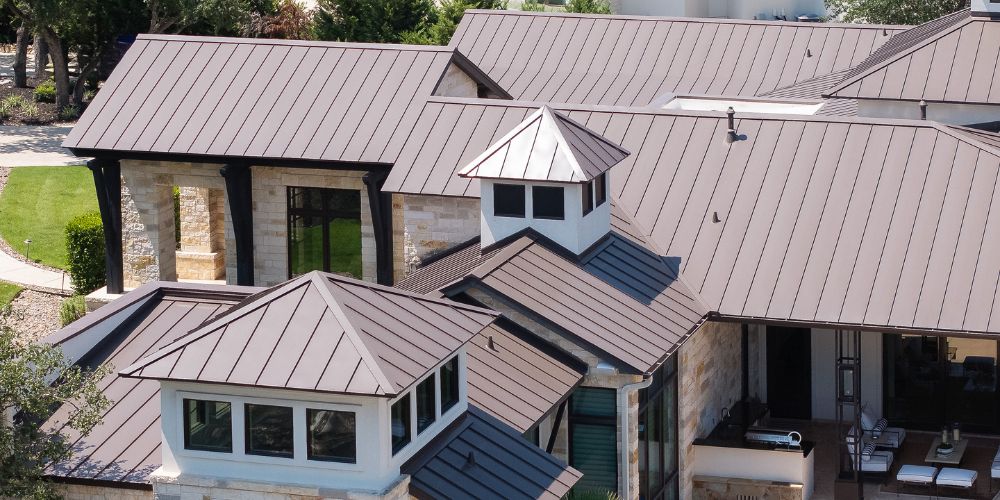
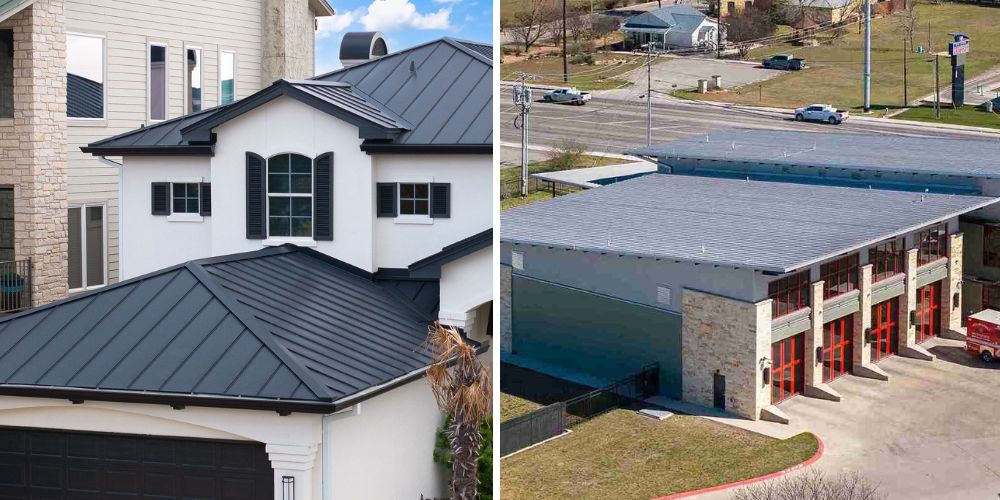
- Metal roofing has a high level of life span and low maintenance. The tile and slate roofs are exceptionally strong yet require special services like tile roofing or slate roofing.
For flat roof repair, commercial projects, or any commercial roofing installation company work, knowing your roof type ensures proper materials and techniques are used. Weather, UV exposure, and temperature vary differently on each material.
Seasonal Roof Maintenance Checklist
Different seasons bring different challenges to your roof:
Spring: Inspect for damage from ice and freezing temperatures. Clear winter debris. Check for missing or damaged shingles and examine flashing around vents and chimneys.
Summer: Inspect for UV damage, check ventilation, and clean gutters. A commercial roofing contractor can assess heat-related wear on flat or metal roofs. Poor ventilation shortens your roof’s lifespan and increases energy costs.
Fall: Remove leaves and debris from gutters and roof. Inspect for leaks and address issues before winter arrives. Trim overhanging branches.
Winter: Monitor for ice dams that trap water on your roof. Ensure adequate attic insulation to prevent ice dam formation.
How to Conduct a Roof Inspection
Homeowners can do simple visual checks, but it’s smart to have a licensed commercial roofer or industrial roofing contractor inspect your roof annually for hidden issues. Here’s how:
- Begin on the ground and use binoculars to check flashing, shingles, and gutters.
- Search to find absent, broken, or peeling shingles.
- Ensure the presence of flashing that is sealed well.
- Checking gutters should be done to ensure that there is no debris or standing water.
- Look within your attic and see whether there are any water stains, water leaks, or moisture.
- Very serious safety precaution: Never inspect your roof unless in the ground or in the attic. Floors are slippery and treacherous.
Common Roof Issues and How to Address Them
Roof problems can creep up on you, and the small problems become expensive to fix. Here we shall discuss popular roofing issues and their management.
Leaks and Water Stains
Leaks and water stains are warning signs often caused by damaged shingles or flashing, which can be addressed by commercial roofing services. Call the most reputable commercial roof repair company to trace the origin- most likely it is a broken flashing or missing shingles.
Missing or Damaged Shingles
Missing or damaged shingles leave a roof vulnerable to water damage, which is why proper shingle roofing is important. They must be changed as soon as possible to avoid expensive repairs.
Clogged Gutters
The leaves and debris prevent the water flow, and the water stagnates beneath your shingles. This avoidable problem is harmful if it is neglected. Clean off gutters or place guards.
Flashing Problems
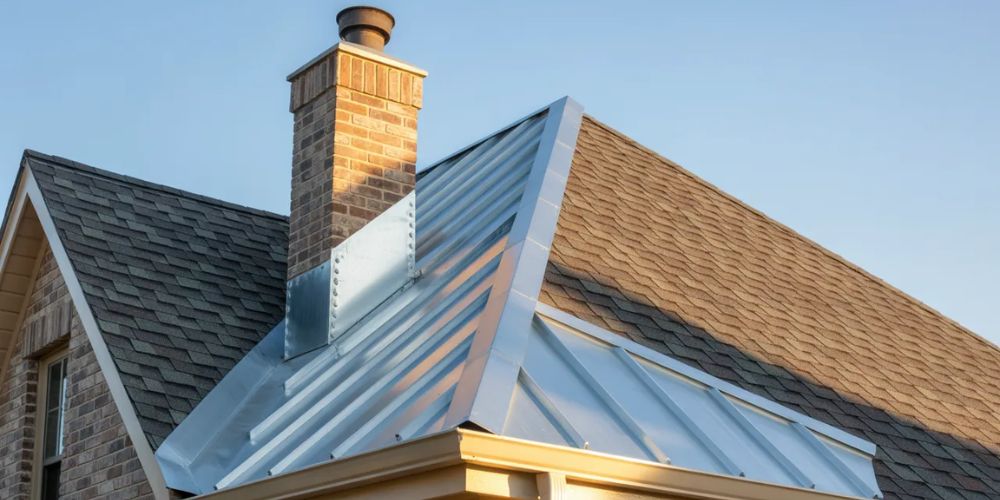
Flashing problems around vents and chimneys can cause leaks, making correctly installed roof flashing essential. The failure will result in water leaks. Professional contractors are also good at detecting problems with flashing before they become expensive.
Sagging or Soft Spots
They show structural issues of water damage. This involves a professional assessment at hand.
Preventative Roof Maintenance Tips
Prevention is your best strategy. Here’s how:
- Clean gutters at least twice yearly—more often with overhead trees.
- Trim branches that hang over your roof to prevent debris and storm damage.
- Proper attic ventilation and insulation, combined with correct metal roof air gaps, extend the roof’s lifespan and improve energy efficiency.
- Address small problems immediately before they become expensive repairs.
Choosing the Right Roof Maintenance Service
Selecting the right contractor matters enormously. Here’s what to look for when making your decision:
Experience and Credentials
Look for contractors with extensive experience in your roof type and building style. Verify they’re properly licensed and insured, which protects both you and them. Ask about their track record with residential or commercial properties, depending on your needs.
Reviews and References
Check online reviews and ask for references from previous clients. Speaking directly with past customers gives you real insights into their work quality, reliability, and professionalism.
Scope and Transparency
Get multiple quotes comparing price, scope of work, and recommendations. Ask about their experience with commercial roofing contracts, emergency response time, and warranty offerings. A reliable contractor is transparent about findings and communicates clearly throughout projects, ensuring you understand what’s needed and why.
Roof Maintenance Plan for Homeowners and Business Owners
Here’s a practical maintenance approach:
Monthly: Quick visual inspection from the ground after storms.
Quarterly: Clean gutters and trim branches.
Biannually: Conduct thorough inspections before seasonal storms.
Annually: Schedule a professional inspection with a licensed roofer. Document all work.
Business owners should work with a commercial roofing replacement contractor to establish a more rigorous schedule that protects their investment.
Wrapping Up…
Your roof works hard to protect your property. Regular attention extends its lifespan, prevents costly damage, and keeps everyone safe. Whether you’re a homeowner doing basic maintenance or managing commercial roofing, consistency is key.
By following seasonal checklists, conducting regular inspections, and working with experienced contractors, you’ll catch problems early and avoid expensive repairs.
At Mangold Roofing, we understand the importance of quality roof maintenance. With years of experience serving homeowners and business owners, our team is committed to keeping your roof in peak condition.
Start your roof maintenance plan today—your future self will thank you when your roof stands strong for decades to come.