Nobody thinks about their roof until water is dripping on the living room floor. That’s just how it goes. But by that point, you’re not dealing with a small problem anymore. You’re dealing with the version of the problem that sat ignored for two or three years longer than it should have.
Roofs give you signals. They’re not subtle forever. You just have to know where to look, and more importantly, actually look.
When Should You Replace a Roof?
Here’s the honest answer: it depends on age, condition, and how many times you’ve already patched it.
A 22-year-old asphalt shingle roof that’s had three repairs in the last four years is not a roof you keep fixing. At that point, you’re throwing money at something that’s already past its window. On the other hand, a 12-year-old roof with one damaged section from a recent storm? That’s probably just a repair.
The mistake most people make is treating every roof problem the same way. They’re not the same. Context matters a lot here.
A professional roof inspection is often the only way to confirm whether a roof still has usable life or is approaching full replacement.
Key Signs You May Need a Roof Replacement
Some warning signs are easy to miss until damage becomes serious. Watch for:
- Curling or cracked shingles — When shingles lift at the edges or split across the surface, they are no longer sealing properly against water.
- Granules collecting in gutters — Asphalt shingles lose their protective coating over time. Once the granules wash away, the exposed material deteriorates much faster.
- Water stains on ceilings or walls — Brown or yellow marks inside the home usually mean moisture has already penetrated the roofing system.
- Sagging or uneven roof areas — A bowing roofline can indicate structural weakening or prolonged water damage beneath the surface.
- Moss growth on shingles — Moss traps moisture against roofing materials, accelerating wear and increasing the risk of leaks.
If several of these signs appear at the same time, the roof may be nearing the end of its service life rather than needing another repair.
Warning Signs Homeowners Often Ignore
Some roof problems develop quietly and are easy to miss until damage becomes serious. Watch for:
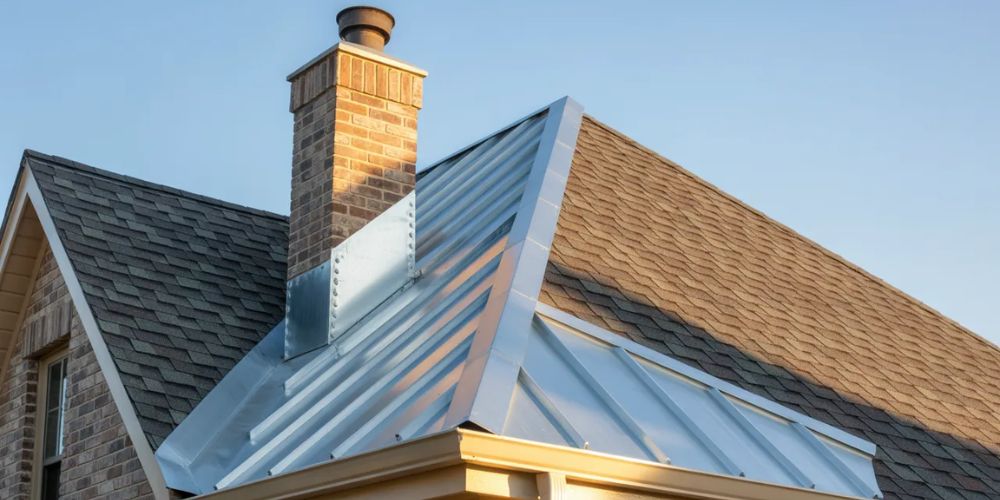
- Lifted or cracked flashing — Damaged roof flashing around chimneys or vents allows water to seep into roof joints without obvious exterior warning signs.
- Musty attic odors or visible moisture — A persistent damp smell or signs of condensation in the attic can indicate slow roof leaks or ventilation issues.
- Unexplained rise in energy bills — A deteriorating roof may allow conditioned air to escape, forcing HVAC systems to run longer and increasing utility costs.
- Daylight visible through the attic boards — If sunlight can be seen entering the attic, rainwater can follow the same path during storms.
Hidden issues like these often appear before major leaks or structural damage become visible from the outside.
How Long Does a Roof Last?
Most residential roofs last between 15 and 50+ years, depending on the roofing material, installation quality, maintenance, and exposure to harsh weather conditions.
Typical Roof Lifespan by Material
| Material | Typical Lifespan |
| Asphalt Shingles | 15–30 years |
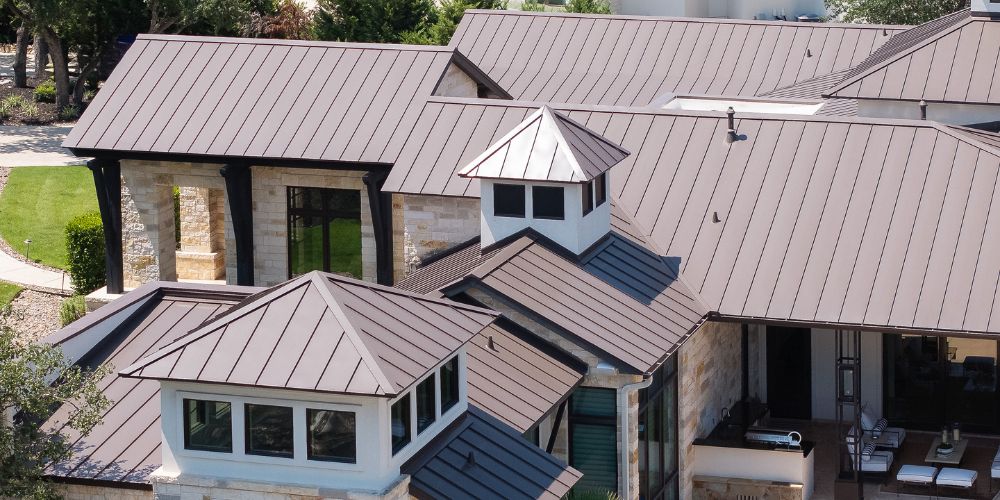
| Metal Roofing | 40–70 years |
| Tile Roofing | 50+ years |
| Wood Shingles | 20–40 years |
In Texas, many homes use asphalt shingles because they are cost-effective and widely available. However, intense sun exposure, hailstorms, and temperature fluctuations can push real-world lifespan closer to the lower end of the range.
If your roof is approaching or past its expected lifespan, even small issues like minor leaks or shingle damage may signal that replacement is becoming the more practical long-term solution, especially when evaluating the best roof types in San Antonio.
How Texas Weather Affects Roof Lifespan
Texas weather is genuinely hard on roofs, and understanding how weather impacts your roof helps homeowners recognize early damage.
Summer here means months of UV exposure that bakes shingles from the outside while attic heat builds underneath.
Then hail season rolls around, and the same shingles that just spent three months getting cooked are now getting pelted. Hail damage isn’t always dramatic-looking. Small dents and micro-cracks don’t look like much, but they let moisture in, and the damage compounds from there.
Add in the dramatic temperature swings between winter and summer, and shingles expanding and contracting over and over across years, and you’ve got a material that ages faster here than it would almost anywhere else in the country.
If you’re in Texas and your roof is over 15 years old, it deserves a real look. Not a glance from the driveway.
Repair vs. Replacement: How to Decide
Repairs make sense when the damage is limited to one area and the rest of the roof is still structurally sound. Replacement becomes more practical when problems are widespread or the roof is nearing the end of its expected lifespan.
Roof Repair vs Roof Replacement: Quick Decision Guide
| Situation | Better Option |
| Localized storm damage on the newer roof | Repair |
| Roof nearing the end of its lifespan | Replacement |
| Multiple leak areas | Replacement |
| Repeated repair costs are increasing | Replacement |
| Minor flashing or shingle issue | Repair |
When several replacement indicators appear together, delaying the decision can lead to more serious structural damage and higher long-term costs.
Replacement usually makes sense when damage affects multiple areas, when the roof is already older, or when repeated repairs fail to resolve underlying issues. Roofs performing properly should not require constant attention.
There’s also a financial angle worth thinking about. Repairs on an aging roof can quickly become expensive. At a certain point, investing in replacement provides longer protection instead of paying repeatedly for short-term fixes. At some point, that money is better spent on a replacement that gives you another 20 or 25 years of coverage instead of buying another 18 months on something that’s already declining.
Wrapping Up…
The homeowners who end up with the biggest repair bills are almost always the ones who noticed something small months earlier and assumed it could wait. Sometimes it can. Often it turns into a much bigger and more expensive issue.
Roof replacement decisions are usually easier and significantly more cost-effective when they are made early, before widespread leaks or structural damage develop. Knowing the real condition of your roof gives you control over timing, budget, and repair options instead of forcing a rushed decision during storm season.
Getting a professional inspection doesn’t mean you are committing to a replacement. It simply means you understand what is actually happening with your roof and when residential roofing solutions may become necessary.
Mangold Roofing has helped Texas homeowners make informed roofing decisions for years. If something about your roof has been bothering you, this is a good time to stop guessing and get a clear assessment before the next round of severe weather arrives.