Metal roofing systems come in several distinct styles, each designed with different panel profiles, fastener methods, and performance characteristics. Understanding the types of metal roofing available helps homeowners choose a system that matches their home’s design, maintenance expectations, and long-term durability goals.
In Texas, climate conditions make this choice even more important. Intense summer heat, sudden hailstorms, and strong winds can impact how different metal roof types perform over time. Some systems use concealed fasteners for lower maintenance, while others rely on exposed fasteners that may require periodic inspection. Knowing these differences helps homeowners select a system built for both appearance and performance.
What Are Metal Roofing Systems?
When roofers talk about metal roofing “systems”, they mean more than just the metal. They’re talking about how it’s designed, how pieces connect, and how it gets installed.
Panel style determines what your roof looks like. The fastener approach affects maintenance. How panels attach matters for handling Texas heat expansion. Even using the same steel, standing seam behaves very differently from corrugated metal.
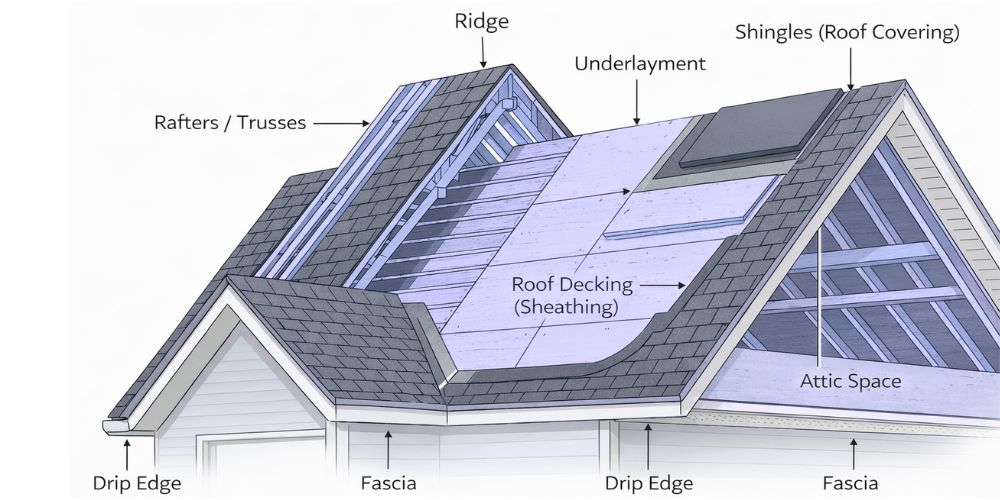
Metal roofing systems also vary by panel profile and structural design, which affects how water drains and how panels attach to the deck. A closer look at different metal roof panel configurations can help clarify how these systems function in real-world applications.
Standing Seam Metal Roofing
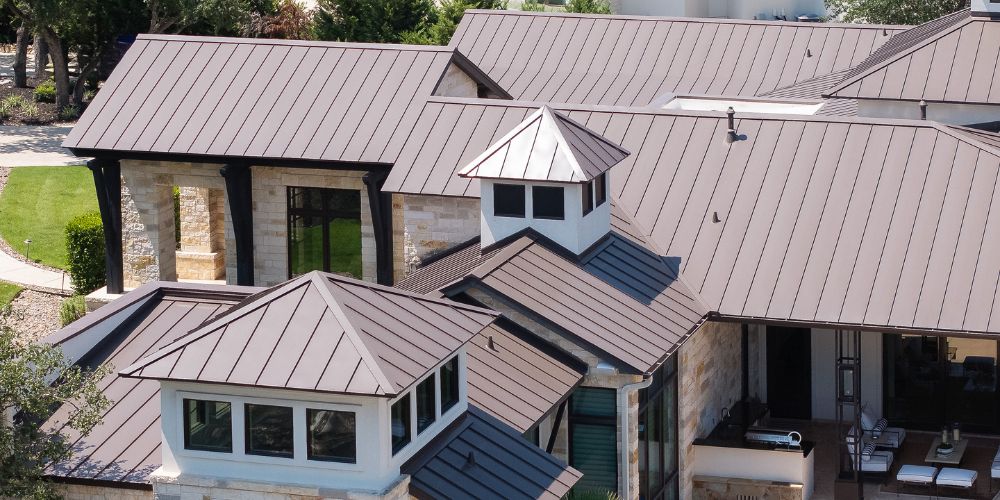
If someone says “modern metal roof”, standing seam is probably what they’re picturing. It’s popular for that clean, contemporary look.
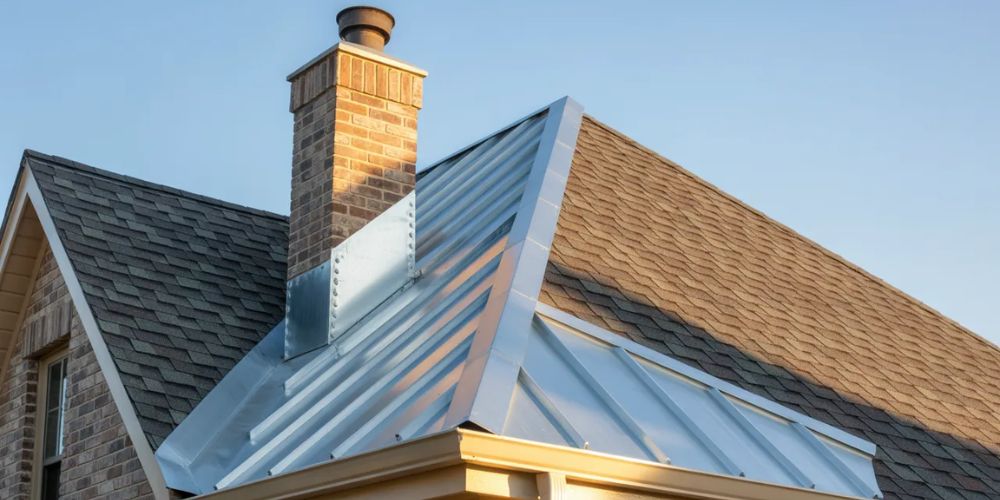
You can’t see any fasteners. Everything attaches from underneath instead of screwing through the top. Panels run up and down your roof, joined by raised seams sticking up about an inch.
Without screws going through metal, you have fewer spots where water might get in. Those raised seams let panels move when temperatures change – which happens constantly here. The metal expands when hot and contracts when cool without stress.
Once installed correctly, you’re basically done. No checking screws or replacing washers. For Texas homes, standing seam handles the climate really well.
Corrugated Metal Roofing
This is the classic metal roof you’ve seen on barns and country houses. Those wavy lines have been around for over a hundred years.
Fasteners are right out in the open. Screws go directly through the metal at wave peaks. Some folks see that as a problem. Others like it for a rustic look.
Exposed fasteners need attention eventually. Those screws sit in the weather constantly. Rubber washers can dry out and crack. You might swap out some fasteners around the 15 to 20-year mark.
Because fastener placement and panel overlap affect long-term durability, roof slope requirements should also be considered when selecting this system.
Corrugated works well for ranch-style homes, rural properties, and anywhere you want that traditional aesthetic. It’s been protecting Texas buildings for generations.
R-Panel Metal Roofing
R-panel splits the difference. It has vertical ribs like a standing seam, but uses exposed fasteners like corrugated.
You see a lot of R-panel on barndominiums and modern farmhouses. The look leans industrial – clean lines, functional, no frills. It holds up fine with good structural strength. But exposed fasteners still need eventual attention.
Metal Shingles
Metal shingles look like other materials – slate, wood shake, and clay tile. But instead of dealing with how heavy and expensive those are, you get metal stamped to look authentic.
This appeals to people who want metal’s benefits but can’t give up on appearance. Maybe your neighborhood has rules. Maybe you love slate but know it costs a fortune.
You get metal’s longevity and weather resistance while keeping traditional looks. And they weigh way less than actual slate or tile. These work especially well where appearance affects property values.
Metal Roofing Materials Explained
Most residential metal roofs are steel or aluminum. Steel is more common – strong, affordable, and with proper coating, it resists rust well.
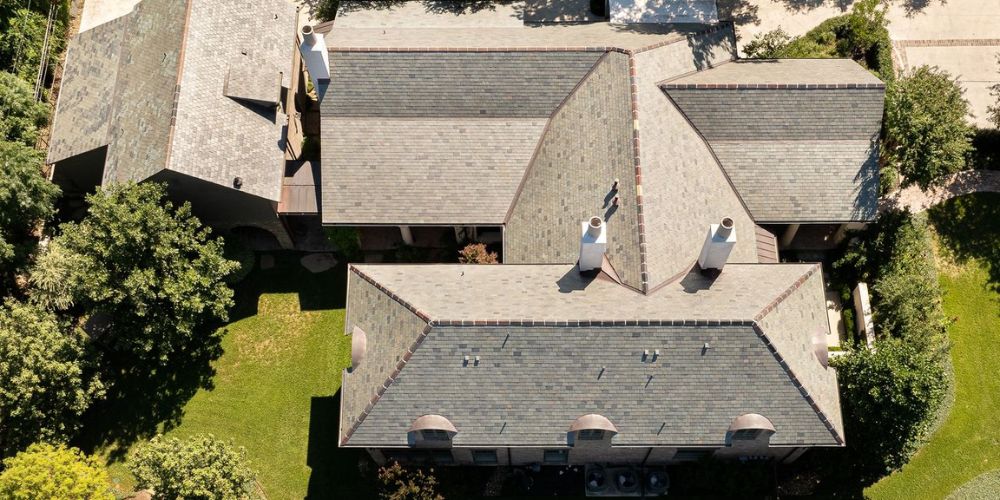
Aluminum naturally fights corrosion, which is why you see it more near the coast. For inland Texas, steel usually makes sense. While steel roofing is common in residential applications, aluminum roofing offers additional corrosion resistance in humid or coastal environments. However, coating systems and proper installation typically influence lifespan more than the base metal alone.
Material selection is only one part of the decision. Many homeowners also compare metal roofing to traditional asphalt systems when evaluating lifespan and maintenance differences.
Comparing Metal Roof Types for Durability and Maintenance
Not all metal roof types perform the same over time. Hidden fastener systems like standing seam generally require less maintenance because screws are not exposed to the weather. Exposed fastener systems, such as corrugated and R-panel, may require periodic inspections and fastener replacement.
Durability also depends on panel thickness, coating quality, and installation precision. While all metal roofing systems offer strong performance, long-term maintenance expectations should factor into your decision.
How to Choose the Right Metal Roofing System for Texas Homes
Choosing between different types of metal roofs requires balancing durability, appearance, maintenance needs, and long-term ownership plans.
Start with your home’s style. Sleek standing seam looks perfect on modern houses but out of place on traditional colonials. Corrugated fits farmhouses but could clash with contemporary design.
Think about our weather. Metal expands in summer heat. Hail shows up during storms. Standing seam generally handles this better, though installation quality matters most.
Be honest about maintenance. Want install-and-forget? Hidden fasteners. Okay with checking screws occasionally? Exposed fasteners cost less upfront.
Homeowners comparing concealed and exposed fastener systems often evaluate performance differences before deciding between standing seam and corrugated metal panels.
Think about how long you’re staying. Decades? Spending more on standing seam makes sense. Selling soon? Less expensive systems could work better.
And what do you want to look at every day? Walk your neighborhood. Notice which houses look good. Your taste counts.
Understanding how metal systems perform compared to other residential roofing materials can provide additional clarity when narrowing down the best long-term option.
Why Professional Installation Matters
Even the best system won’t work right if installed poorly. Installation quality matters more than most realize.
When fasteners go in the wrong spots, water finds those holes. If panels aren’t secured properly, they lift in the wind, sometimes tearing free. When expansion joints aren’t done right, the roof buckles when heat makes the metal expand.
Our climate makes this critical. Metal expands and contracts a lot. If your installer doesn’t understand that, you’ll have problems. Panels need room to move. Get it wrong, and you’ll see issues within years.
Most manufacturers only honor warranties if certified professionals install them. DIY or hire someone unqualified? You might void the warranty. The system matters. But who installs it matters more.
Final Thoughts on Choosing the Right Metal Roofing System
Each type has its place. Standing seam gives top performance and modern looks. Corrugated brings traditional character. R-panel offers industrial functionality. Metal shingles combine classic appearance with modern benefits.
There’s no one “best” choice. What’s right depends on your house, weather, maintenance preferences, and personal taste.
Talk with local contractors who’ve installed all these types. They’ve seen what holds up.
Working with an experienced local roofing contractor ensures the system you choose is installed correctly and designed to perform in Texas conditions. We’ve watched them perform through summers and hailstorms. An experienced local roofing contractor can help you evaluate which metal roofing system fits your home’s structure, long-term plans, and performance expectations in Texas weather.
Cost Considerations for Different Metal Roofing Options
Installation complexity, panel type, and fastener system influence the overall cost of metal roofing. Standing seam systems typically involve more specialized installation, while exposed fastener systems are often more budget-friendly upfront. Long-term maintenance expectations should also factor into overall value.
FAQs
What type of metal roofing lasts the longest?
Standing seam usually lasts longer because of hidden fasteners. You’re looking at 40-50+ years if installed properly.
Is metal roofing good for Texas weather?
Yes. Metal handles heat, wind, and storms better than most materials. The key is proper installation.
What’s the difference between standing seam and corrugated metal?
Standing seam hides fasteners underneath with a smooth appearance. Corrugated has visible fasteners and traditional waves.
Are metal roofs good for residential homes?
Yes. Metal roofing systems are widely used on residential homes due to their durability, energy efficiency, and design flexibility.