Ever felt like your roof throws a drum party every time it rains?
That’s the classic metal roof dilemma. These roofs are tough and long-lasting. They look fantastic too.
But the noise during storms? It can wear on your nerves.
Here’s the good news: you don’t have to live with all that noise.
Smart design and better insulation can make a huge difference.
Let’s explore how to make your metal roof peaceful and quiet.
What Makes Metal Roofs Noisy?
Metal roofs get noisy for a few simple reasons. Once you know what causes the noise, fixing it becomes much easier.
The main troublemakers are:
• Raindrops and hail hit bare metal and sound super loud.
• During hot and cold weather, metal expands and contracts, making popping sounds.
The shape of your roof plays a major role.
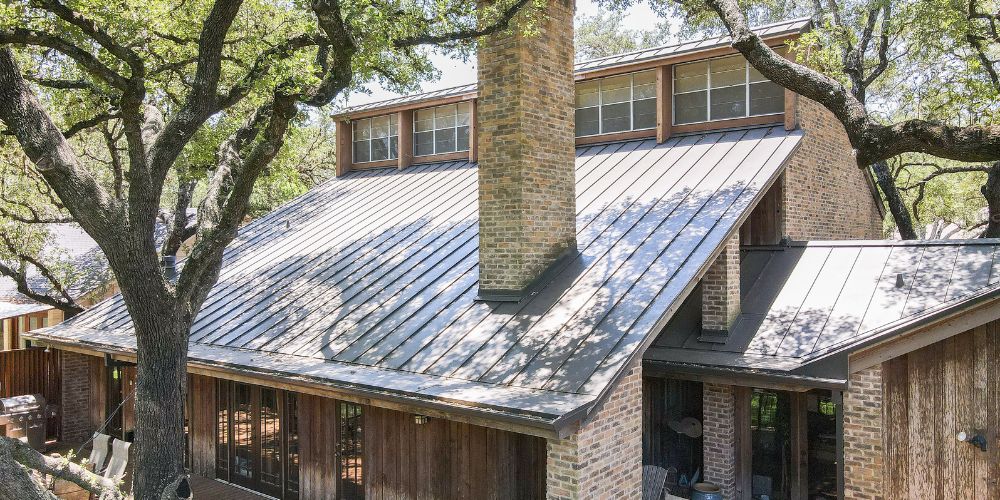
Corrugated metal roofs bounce sound around more, like an echo chamber. Standing seam metal roofs stay much quieter because they don’t have those sound-catching ridges.
Poor insulation makes everything worse. Without good padding under your roof, every raindrop sounds like a drum beat.
The sound of rain on metal roofs gets amplified instead of absorbed. That’s why proper insulation is so important for a peaceful home.
Factors That Influence Noise Levels in Metal Roofing
Metal roof noise isn’t just about the metal itself. It’s also affected by how your home is built. Let’s see what makes some roofs louder than others.
1. Roof Slope
Steep roofs help bounce raindrops away. This means fewer pounding sounds. Flat roofs absorb more of the rain’s force, resulting in louder noise levels.
2. Attic Space
Larger attic spaces act as sound barriers, absorbing noise before it reaches living areas. Smaller attics offer less sound insulation, allowing more noise to pass through.
3. Roof Deck Material
What sits under your metal panels affects sound levels. Thick wood blocks noise better than thin materials. Open frames allow more sound to pass through. Solid decking helps reduce noise.
4. Panel Design and Thickness
The metal itself makes a difference, too. Thicker panels vibrate less when rain hits them. Some panel designs provide better storm resistance and sound dampening than others.
Best Ways to Reduce Metal Roof Noise
The sound of rain on a metal roof doesn’t have to be annoying. Here are some simple ways to make it much quieter.
1. Insulation for metal roofing
Spray foam insulation works really well. It fills all the little gaps and stops noise from getting through. Fiberglass batts are more affordable and still provide reliable sound reduction.
2. Sound-blocking materials
Rubber sheets, installed under the metal panels, are highly effective at blocking sound. These materials catch the noise before it gets to you, keeping things much quieter inside.
3. Inside fixes
Sound-absorbing ceiling tiles greatly reduce indoor noise. Adding extra drywall also enhances sound insulation. Thicker materials provide better soundproofing and reduce transmission.
4. Tight screws and panels
Loose parts shake and rattle more. When everything is screwed down tight, vibration and noise are significantly reduced. This easy fix makes the rain on a metal roof sound way quieter.
Choosing a Quieter Metal Roofing System
Are metal roofs noisy? It depends on the type you choose- some metal roofing systems are much quieter than others.
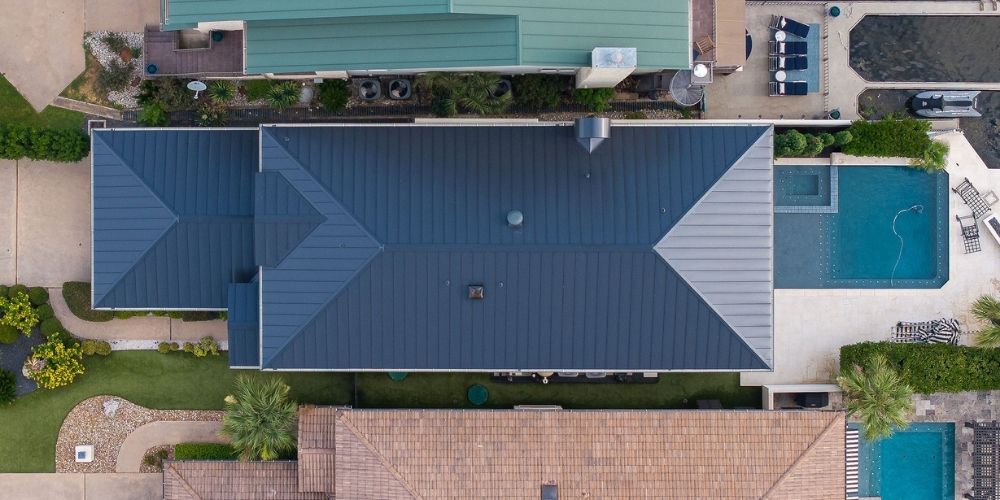
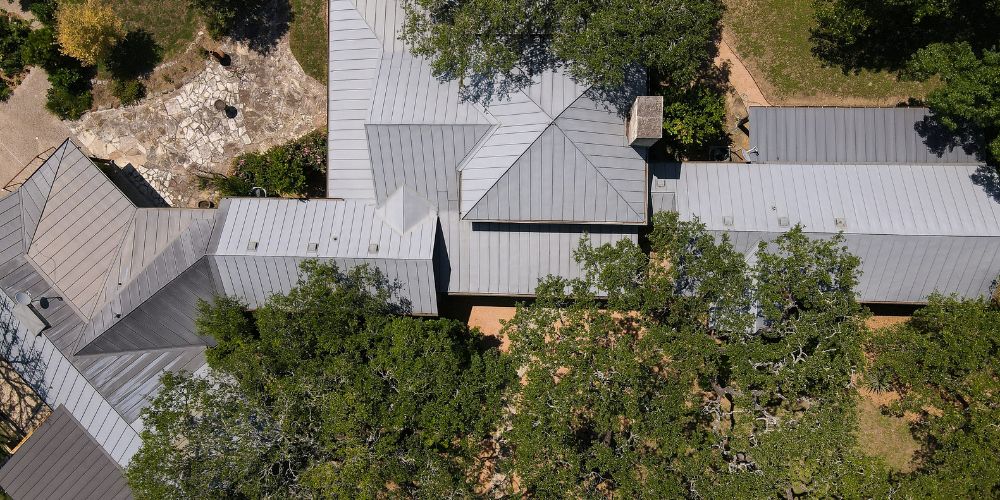
Standing seam panels are often the most quiet and effective choice.
They use hidden fasteners that reduce movement and minimize rattling. The thicker metal also helps block sound better. This makes them significantly quieter than lower-cost alternatives.
Corrugated panels tend to be noisier, but they are more affordable upfront. The exposed screws can vibrate and make sounds louder. Thinner metal lets more of that drumming sound through to your home.
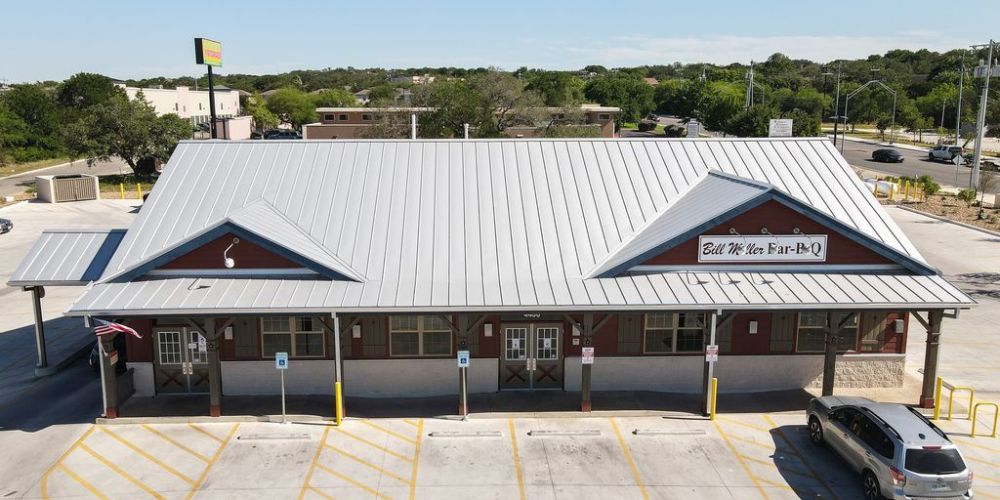
Your roofing priorities should guide your choice. Homeowners usually prefer a quieter roofing system, while commercial buildings may prioritize cost efficiency.
Special features can help any metal roof stay quieter. Coated panels reduce the harsh sound of rain on a metal roof.
When comparing tin roofs to standing seam systems, the standing seam option offers better noise control. You’ll pay more initially but get years of peaceful storms and quiet rainfall.
Also Read- Standing Seam vs. Corrugated Metal Roofs
Installation Matters: How Roof Design Impacts Noise
The way your metal roof gets installed makes a huge difference in noise levels. Even the best materials won’t reduce noise if installed incorrectly.
Professional installation starts with proper fasteners.
These need exact spacing to work right. Improper fasteners cause loose areas that rattle whenever rain hits your metal roof. Skilled installers know which ones to use and where to place them.
Next, it’s important to avoid metal-on-metal contact during installation.
When metal parts make direct contact, they amplify vibrations and noise. Experienced installers prevent this with proven techniques that keep surfaces separated.
Your roof deck also needs solid structural support beneath it.
Weak spots create vibrations that make every raindrop sound louder. A sturdy foundation keeps everything stable and quiet.
Quality insulation for metal roofing works best when installed correctly. Even premium materials fail without proper technique. Everything needs to work together as a system.
Conclusion
A peaceful home starts with a properly designed and well-insulated metal roof.
If your metal roof is too noisy, it may be time for an upgrade. Let the professionals at Mangold Roofing help you find the right solution. With years of experience in metal roofing systems and insulation upgrades, Mangold Roofing delivers quieter, more comfortable homes throughout the region.
So that you can enjoy the calming sound of rain without a headache.