Selecting a residential roofing system is a multifaceted decision that dictates your home’s aesthetic character, structural resilience, and thermal performance. For homeowners in the San Antonio area, this choice is complicated by a climate that demands high resistance to extreme UV radiation and sudden, severe hailstorms.
This guide breaks down the most effective roof types, roof shapes, and residential roof types to help you understand how architectural design intersects with long-term durability.
The Foundation of Design: Common Roof Shapes & Architecture
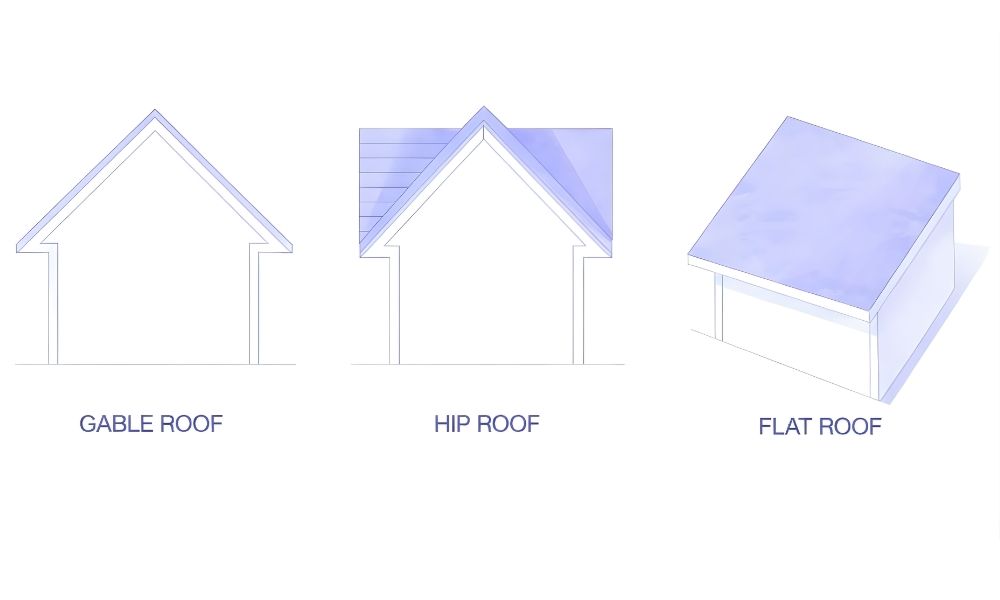
The silhouette of your home is defined by its roof design. The following roof styles represent the most effective geometries for shedding water and resisting the high winds common in Central Texas.
1. Gable Roof (The Classic Triangle)
The roof shape: gable is the most recognizable design in American architecture. It features two sloping sides that meet at a ridge, creating a triangular wall known as the gable.
- Aesthetics: Provides a traditional, timeless look that works with almost any architectural style.
- Functionality: The steep pitch allows for excellent water and debris shedding.
- San Antonio Consideration: Gables can be vulnerable to wind uplift. It is crucial to ensure these are properly braced during a professional roof replacement to meet modern safety standards.
2. Hip Roof (The Aerodynamic Shield)
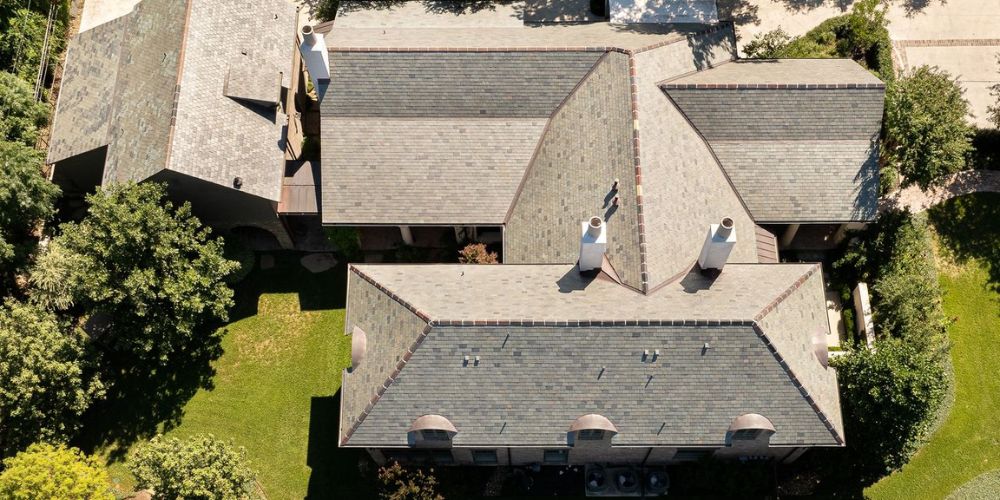
A hip roof has slopes on all four sides that meet at the top to form a ridge. There are no vertical “ends” like those found on a gable roof.
- Aesthetics: Offers a more complex, low-profile look often found in Mediterranean or Ranch-style homes.
- Performance: When comparing a gable roof vs. a hip roof, the hip design offers better resistance to high-velocity winds.
- San Antonio Consideration: This is arguably the most durable shape for wind resistance. It is the preferred choice for new construction roofing in open, windy areas.
3. Flat and Low-Slope Roofs
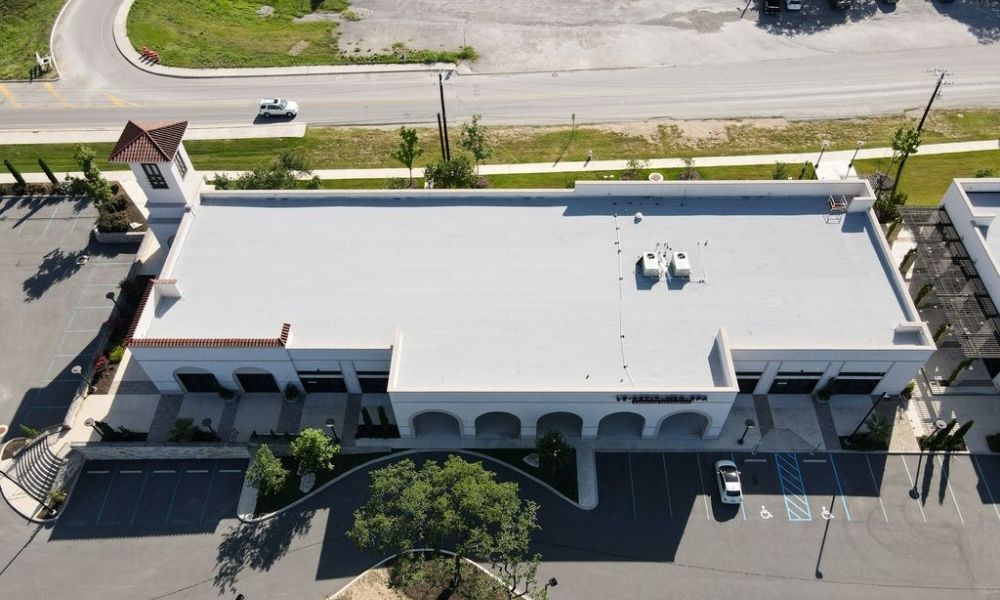
Common in contemporary residential designs, flat roofs provide a sleek, minimalist aesthetic.
- Functionality: While they appear level, they have a slight “pitch” to allow for drainage.
- Material Requirements: Flat surfaces require specialized waterproof membranes. Many modern homeowners opt for TPO roofing systems because of their high solar reflectivity and leak-proof seams.
Comparison: Performance of Common Roof Types
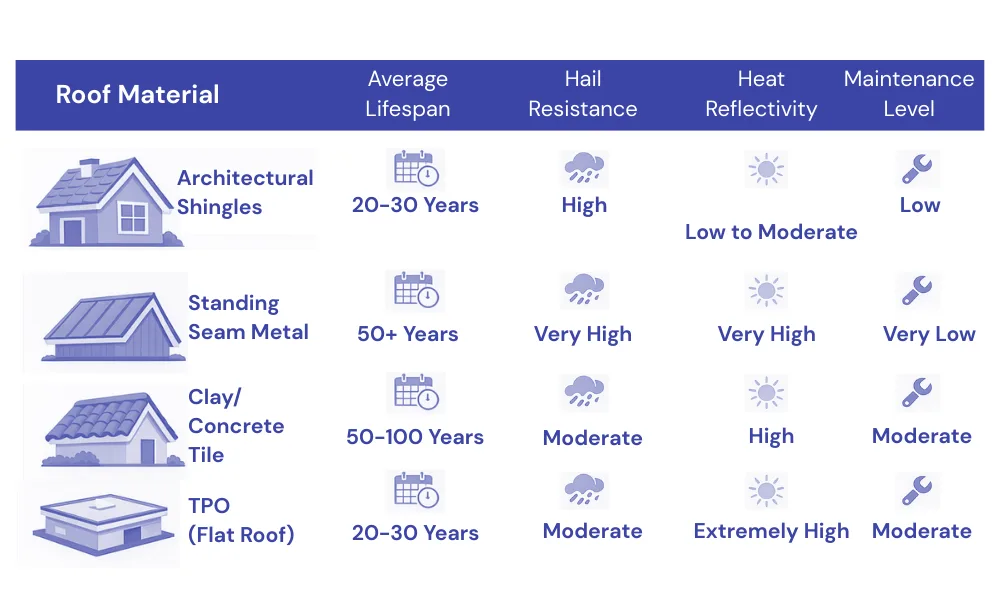
Understanding how long different roofing materials typically last helps homeowners decide whether a repair is still practical or if replacement is becoming necessary.
Residential Roof Types: Materials and Shapes Combined
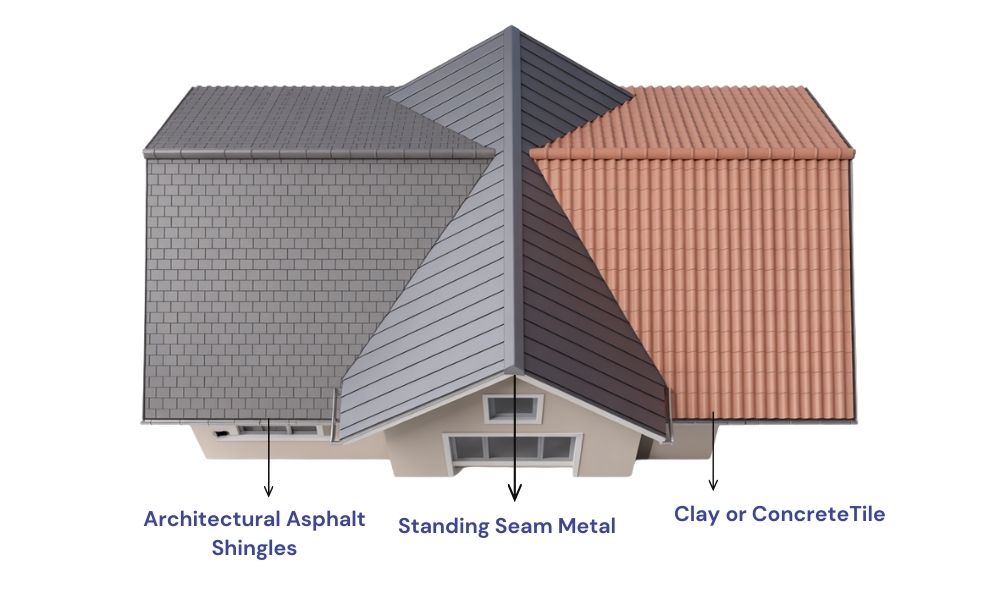
Matching the right material to your specific roof shape is the key to longevity.
Architectural Asphalt Shingles
Standard 3-tab shingles are often insufficient for the local climate. Modern homes often utilize asphalt shingle roofs made of architectural-grade materials because they are composed of multiple layers, providing significantly higher impact resistance against hail. To ensure a long life, it is vital to follow shingle installation best practices to avoid common failure points like improper nailing.
Standing Seam Metal Roofing
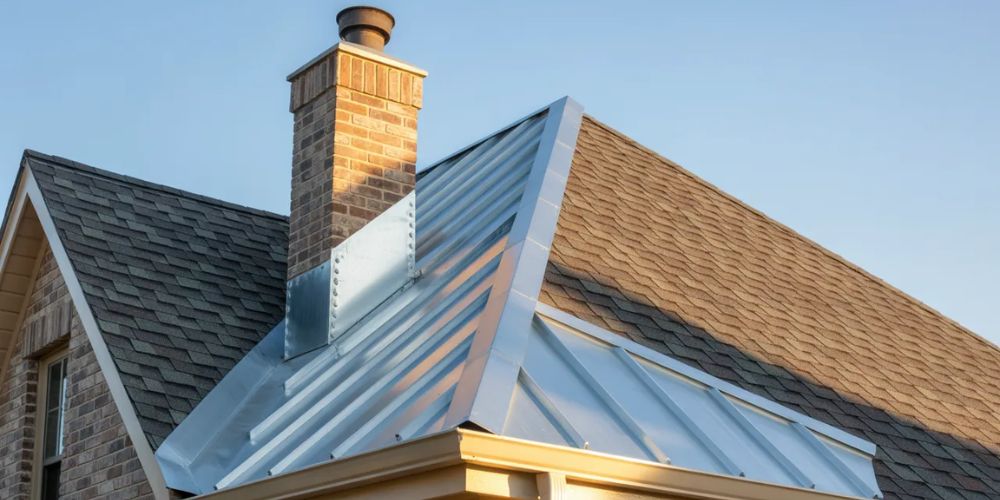
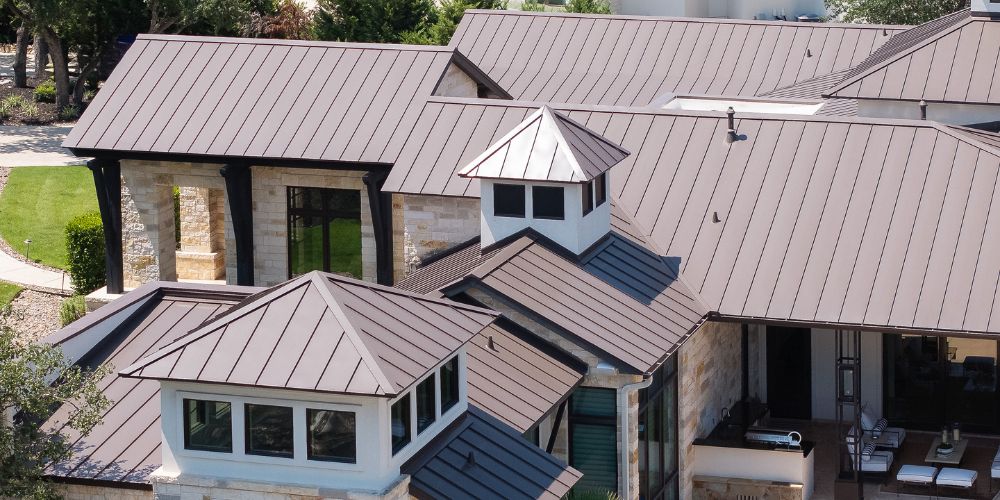
In the world of types of roofing, metal is the premier choice for heat management. Standing seam metal roofs feature vertical panels joined by raised seams that conceal all fasteners.
- Heat Defense: According to Cool Roof Rating Council standards, reflective metal can lower cooling costs by up to 25%.
You can further maximize this energy efficiency by selecting the metal roof colors, such as light grays, tans, or whites, which reflect significantly more solar radiation than dark alternatives.
- Hail Resilience: Metal provides the highest level of protection during severe weather, often used as the primary solution for hail damage repair.
Traditional Clay and Concrete Tile
Tile is synonymous with San Antonio’s historic architecture. Because tile roofing systems are installed over a “batten” system, air circulates underneath the tiles, creating a natural layer of insulation that keeps the attic cooler during the summer.
Technical Details: The Components of a Reliable Roof
To prevent leaks in high-risk areas like valleys and chimneys, your installer must use high-quality roof flashing to direct water safely away from the structural decking.
Similarly, a properly installed drip edge is essential at the eaves. This small metal strip prevents water from “wicking” back under your shingles, which is a leading cause of rotted fascia boards. For homeowners choosing metal systems, incorporating a moisture barrier is a critical final step to manage condensation and protect the underlying plywood from dampness.
Unique Architectural Hybrids
While most homes use standard shapes, San Antonio’s custom architecture often features hybrid designs that solve specific environmental challenges:
- Dutch Gable: This is a hip roof with a small gable at the ridge. It provides the wind-shielding benefits of a hip roof while allowing the extra ventilation of a gable.
- Jerkinhead (Clipped Gable): This design takes a standard gable and “clips” the peaks into small slopes. This significantly reduces “wind lift,” making the roof more stable during high-wind events.
- Dormer Roofs: These are structural projections that sit vertically on a sloping roof plane. Installing dormer roofs is an excellent way to add natural light and usable headspace to an attic.
- Gambrel and Mansard: Both styles utilize double slopes on each side to maximize interior volume. This effectively adds an extra floor of living space without expanding the home’s footprint.
How to Choose a Roofing Style for Your Home
When homeowners ask how to choose a roofing style, it is best to evaluate these three factors:
- Environmental Resilience: Does the shape handle high UV exposure? Understanding how the weather impacts your roof is the first step in choosing a resilient material.
- Architectural Harmony: Ensure your choice aligns with your neighborhood’s HOA or historical guidelines.
- Long-Term Value: If your goal is to minimize replacements, look for the roofing material with the longest lifespan, such as metal or tile.
Technical Glossary: Understanding Roof Style Names
To facilitate a better roofing inspection, keep these terms in mind:
- Ridge: The highest horizontal point where two roof planes meet.
- Valley: The internal angle formed where two sloping roof planes intersect.
- Eave: The edges of the roof that overhang the face of a wall.
- Soffit: The horizontal underside of the eaves, where intake vents are located.
Conclusion
In San Antonio, the “best” roof is one that balances architectural harmony with extreme weather protection. Whether you prefer the classic look of a gable or the modern efficiency of a metal shed roof, your choice should prioritize heat reflectivity and hail resistance. By selecting the right combination of shape and material, you ensure your home remains a safe, energy-efficient sanctuary for decades.
Mangold Roofing: Your San Antonio Expert
At Mangold Roofing, we specialize in helping South Texas homeowners navigate the complex world of different types of roofs. With over 50 years of family-owned legacy, our reputation is built on providing expert guidance and meticulous craftsmanship.
Frequently Asked Questions (FAQ)
1. What are the three main types of roofs?
The three most common residential shapes are the Gable, Hip, and Flat roof.
2. What is the cheapest roof type to install?
The Gable roof is generally the cheapest to build structurally, and Asphalt Shingles are the most affordable material.
3. What is the best roof type for Texas heat?
Standing seam metal is widely considered the best for the Texas climate due to its ability to reflect UV rays.
4. What is a 4 sided roof called?
A roof with four sloping sides that meet at a ridge is called a Hip Roof.