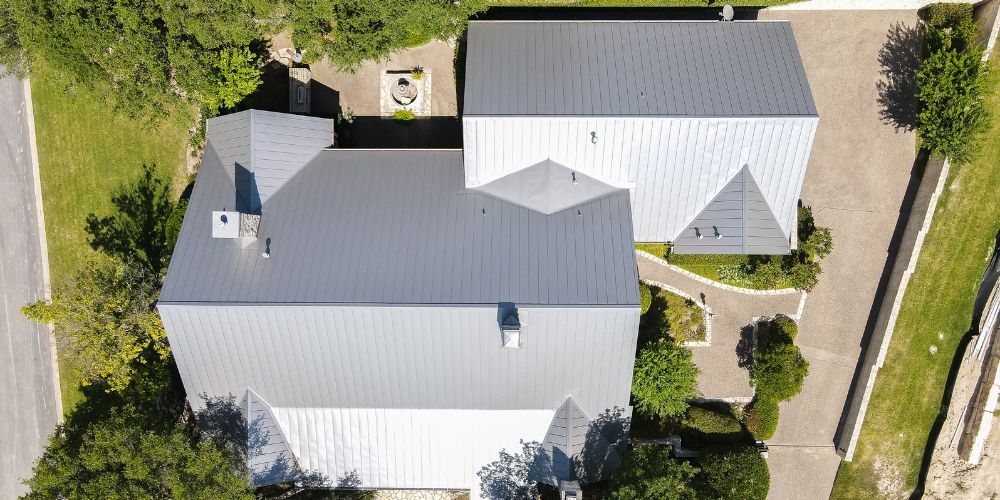
Metal roofs have gained immense popularity due to their durability, energy efficiency, and modern look. Unlike other roofing materials, metal roofing offers a long-term solution that withstands even the fiercest weather conditions. Available in various styles and materials, metal roofs are versatile for both residential and commercial properties.
What makes metal roofs even more appealing is their eco-friendliness. They are primarily made from recycled materials and can often be recycled again at the end of their service life. While the upfront costs may be higher than other roofing options, the long-term benefits and low maintenance requirements make metal roofs a smart investment for many property owners.
What is a Metal Roof?

A metal roof is a roofing system made up of metal pieces or tiles, either individual or interlocking. Highly valued for its long lifespan, exceptional strength, and energy efficiency, a metal roof is often chosen for residential and commercial buildings.
Metal roofing materials are designed to withstand the harshest weather conditions, including heavy rain, snowstorms, and strong winds, making them ideal for high-risk areas. These roofs are typically made from durable materials like steel, aluminum, copper, or zinc alloys, each offering unique advantages and characteristics.
Types of Metal Roofing Systems
Metal roofing systems are available in several panel and profile designs, each offering different benefits in terms of appearance, durability, installation, and cost. Understanding the most common types of metal roofing systems can help homeowners choose the option that best fits their property’s style, budget, and long-term performance needs.
Standing Seam Metal Roofing
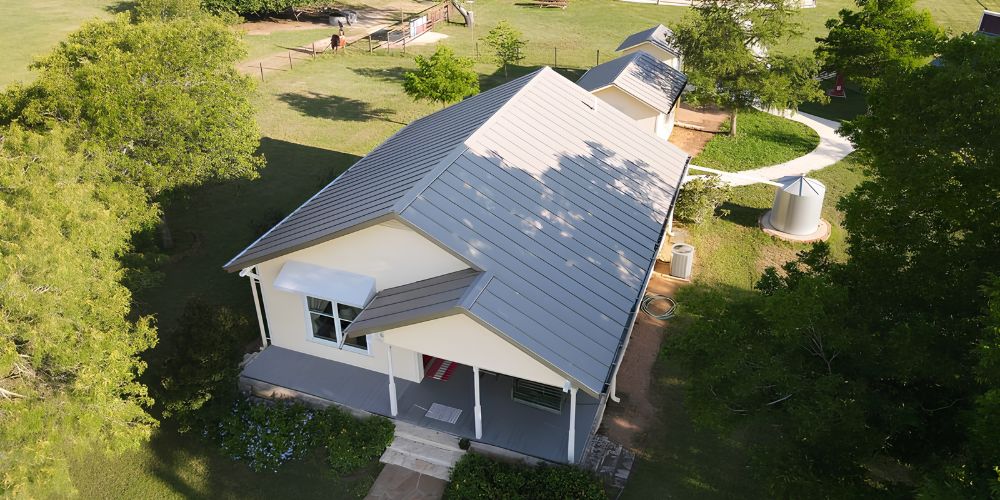
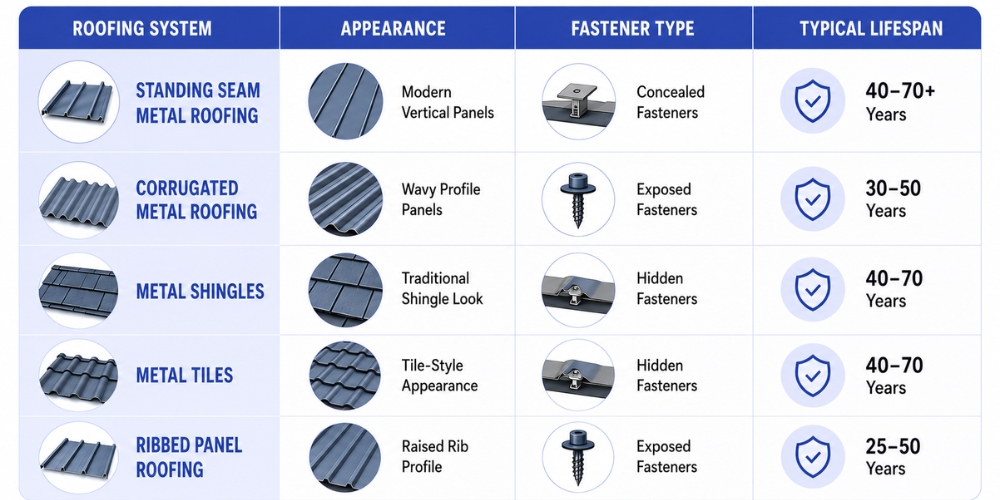
Standing seam metal roofing features vertical panels joined together by raised seams. Because the fasteners are concealed beneath the panels, this system offers a clean appearance and added protection against water intrusion. Standing seam roofs are commonly chosen for residential properties due to their durability, weather resistance, and modern design.
Corrugated Metal Roofing
Corrugated metal roofing is recognized by its distinctive wavy panel design. Originally popular for agricultural and industrial buildings, it has become a common option for residential applications as well. Corrugated panels are lightweight, durable, and generally more affordable than many other metal roofing systems.
Metal Shingles
Metal shingles are designed to replicate the appearance of traditional asphalt shingles while providing the durability of metal. They are available in a variety of colors and finishes, making them a popular choice for homeowners who want a more traditional look without sacrificing longevity.
Metal Tiles
Metal tile roofing is manufactured to resemble clay, slate, or concrete roof tiles. This roofing system offers the visual appeal of premium roofing materials while remaining lighter in weight and easier to maintain. Metal tiles are often selected for homes with Mediterranean, Spanish, or upscale architectural styles.
Ribbed Panel Roofing
Ribbed panel roofing uses exposed fasteners and raised ribs that add strength to the panels. These systems are commonly installed on residential, agricultural, and commercial buildings because they are cost-effective and relatively simple to install. Ribbed panels provide dependable performance while maintaining a lower upfront cost than some premium metal roofing options.
Standing Seam vs Corrugated Metal Roofing
Two of the most common metal roofing styles are standing seam and corrugated metal panels. While both offer durability and weather resistance, they differ in appearance, installation methods, and cost.
Standing seam metal roofing features concealed fasteners and raised seams, creating a clean, modern appearance. Because the fasteners are hidden, these systems generally require less maintenance and provide better protection against water intrusion.
Corrugated metal roofing uses exposed fasteners and a wavy panel design. It is typically more affordable and is commonly used on residential, agricultural, and commercial buildings.
The right choice depends on your budget, aesthetic preferences, and long-term performance goals. Homeowners comparing these systems can learn more about the differences between standing seam and corrugated metal roofing.
Types of Metal Roof Materials
| Material | Typical Lifespan | Advantages |
| Steel | 40–70 years | Strong and widely available |
| Aluminum | 40–60 years | Corrosion resistant |
| Copper | 60–100+ years | Distinct appearance and longevity |
| Zinc | 60–100+ years | Self-healing protective patina |
Each metal roofing material offers different advantages. Steel is often chosen for its strength and affordability, while aluminum performs well in coastal environments due to its resistance to corrosion. Copper and zinc typically have higher upfront costs but can provide exceptional longevity and distinctive aesthetics.
Steel Metal Roofs
Steel is one of the most commonly used metal roofing materials today, prized for its strength, durability, and versatility. It often comes coated with zinc (galvanized), or with a protective layer of aluminum and zinc, to enhance rust and corrosion resistance.
- Pros: Strong, durable, and cost-effective.
- Cons: Prone to rust if not properly coated.
Aluminum Metal Roofs
Aluminum is a lightweight metal roofing material known for its excellent resistance to rust and corrosion, making it particularly suitable for coastal regions where saltwater exposure is a concern. Despite being lighter than steel, aluminum offers excellent durability against harsh weather conditions.
- Pros: Lightweight, rust-resistant.
- Cons: More expensive than steel.
Copper Metal Roofs
Copper is considered a premium roofing material, admired for its unmatched beauty and durability. Over time, copper develops a light green patina, adding character and elegance to the roof. When properly installed, a copper roof can last over a century with minimal maintenance, making it a valuable long-term investment.
- Pros: Extremely long-lasting, aesthetically pleasing.
- Cons: Expensive, prone to discoloration over time.
Zinc Metal Roofs
Zinc is renowned for its self-healing properties, making it a durable and sustainable roofing material. When scratched or damaged, zinc forms a natural patina that restores the surface, ensuring the roof remains both attractive and long-lasting.
- Pros: Long-lasting, low maintenance.
- Cons: High cost.
Tin Metal Roofs
Although not as common today, tin has been used in roofing for its lightweight and corrosion-resistant properties. Traditional tin roofs were typically made from rolled steel coated with tin plates. While modern tin roofs are often replaced by aluminum or galvanized steel, the classic tin roof still offers durability and a nostalgic charm, particularly in historic restorations or rural projects.
- Pros: Durable, rust-resistant.
- Cons: Uncommon, requires frequent maintenance.
Different Styles of Metal Roofing
Corrugated Metal Roof
Corrugated metal roofs are characterized by their wavy pattern, making them both robust and durable. Traditionally a staple in industrial and agricultural applications, these roofs have recently gained popularity in residential settings where a rustic look is desired. The lightweight panels are easy to install, making them a cost-effective option for many property owners.
- Pros: Strong, durable, cost-effective, and easy to install.
- Cons: The wavy design may not suit all architectural styles.
Standing Seam Metal Roofing
Standing seam metal roofing features long, upright panels that are connected at their seams, giving the roof a smooth and modern appearance. One of the key benefits of this style is its durability and excellent weather resistance, as the raised seams prevent water infiltration. Standing seam roofs are commonly chosen for both commercial and residential properties where clean lines and a contemporary look are desired.
- Pros: Durable, weather-resistant, sleek, and modern appearance.
- Cons: Typically more expensive than other metal roofing styles due to the materials and installation process.
What Is the Best Metal Roof for a Home?
The best metal roof for a home depends on factors such as budget, appearance preferences, climate, and long-term maintenance goals. For many homeowners, standing seam metal roofing is considered one of the most desirable options because of its concealed fasteners, clean appearance, and durability.
Corrugated and exposed-fastener metal roofing systems can be a more budget-friendly choice while still providing many of the benefits associated with metal roofing. Material selection also matters. Steel is commonly used because of its balance of strength and cost, while aluminum offers increased corrosion resistance in certain environments.
Ultimately, the best metal roof is one that matches the home’s design, local weather conditions, and the homeowner’s long-term expectations.
Benefits of Metal Roofing
Metal roofing offers several advantages compared to many traditional roofing materials. It is known for its durability, resistance to harsh weather conditions, and long service life. Many metal roofing systems are designed to withstand high winds, heavy rain, and hail, making them a practical option for various climates.
Metal roofs can also improve energy efficiency by reflecting solar heat, which may help reduce cooling costs during warmer months. In addition, they require relatively little maintenance and are available in a wide range of styles and finishes to complement different architectural designs.
Common benefits include:
- Long lifespan
- Wind and weather resistance
- Energy efficiency
- Low maintenance requirements
- Fire resistance
- Variety of colors and styles
How Long Does a Metal Roof Last?
One of the biggest reasons homeowners choose metal roofing is its longevity. While the lifespan depends on the material, installation quality, and local weather conditions, most metal roofs last significantly longer than traditional asphalt shingles.
Average lifespans include:
| Metal Roofing Material | Typical Lifespan |
| Steel | 40–70 years |
| Aluminum | 40–60 years |
| Copper | 60–100+ years |
| Zinc | 60–100+ years |
Regular inspections and maintenance can help maximize the life of a metal roof and identify minor issues before they become costly repairs. Because of their durability and extended service life, metal roofs are frequently included among the roofing materials with the longest lifespan, making them a popular choice for homeowners looking for long-term value.
Average Metal Roof Cost
The cost of metal roofing is influenced by factors such as the type of material, style, and the complexity of the installation process. On average, a metal roof installation can range from $6 to $12 per square foot, which includes both materials and labor. For example, the more affordable options, like corrugated steel, can cost between $6 to $7 per square foot, while more premium materials may reach $10 to $12 per square foot.
While metal roofs have a higher upfront cost compared to traditional asphalt shingles, they offer significant long-term benefits. Metal roofs can last 40 to 70 years, which means you won’t need to replace them as often as other roofing materials. Additionally, their energy efficiency can lead to substantial savings on heating and cooling costs over time.
It’s important to work with reputable roofing companies to ensure you get the best value for your investment. Mangold Roofing is a top choice for metal roofing services, known for our expertise and commitment to quality.
We offer a wide range of metal roofing materials and styles, along with top-notch installation services tailored to your needs. A metal roof installed by Mangold Roofing can be trusted to provide long-lasting durability and excellent performance for years to come.
FAQs
What are the different types of metal roofs?
Metal roofs are available in several styles, including standing seam panels, corrugated metal panels, metal shingles, metal tiles, and ribbed panel systems. Each option offers different aesthetics, installation methods, and performance characteristics.
What material are metal roofs made of?
Most metal roofs are made from steel, aluminum, copper, or zinc. Steel is the most commonly used material, while aluminum is valued for its corrosion resistance. Copper and zinc are often chosen for their longevity and distinctive appearance.
What is the most common type of metal roofing?
Standing seam metal roofing is one of the most popular options for residential properties because of its concealed fasteners, durability, and modern appearance. Corrugated metal roofing is also widely used due to its affordability.
How long does a metal roof last?
Depending on the material and installation quality, metal roofs can last anywhere from 40 to over 100 years. Regular inspections and maintenance can help maximize their lifespan.
Is a metal roof worth the cost?
Although metal roofing generally costs more upfront than some traditional roofing materials, many homeowners consider it a worthwhile investment because of its longevity, durability, energy efficiency, and lower maintenance requirements.
How much does a metal roof cost?
A metal roof typically costs more than asphalt shingles, but the total cost varies based on the roofing material, panel style, roof size, complexity, and installation requirements. Premium materials such as copper and zinc generally cost more than steel or aluminum.