Getting the proper commercial roofing for your business in San Antonio is critical. With various materials in the market, getting an inexpensive yet very durable solution can be challenging.
The climatic change experienced in San Antonio is particularly demanding on roofing materials, as they must cope with high temperatures, torrential rains, and occasional storms. Fortunately, several cost-effective options exist that provide excellent protection and longevity.
This guide compares some of the most affordable commercial roofing systems, including metal roofing, modified bitumen, TPO, PVC, built-up roofing (BUR), and EPDM. Each roofing system offers different advantages, maintenance requirements, and long-term value. Understanding these differences can help business owners choose the best commercial roofing solution for their building and budget.
Metal Roofing
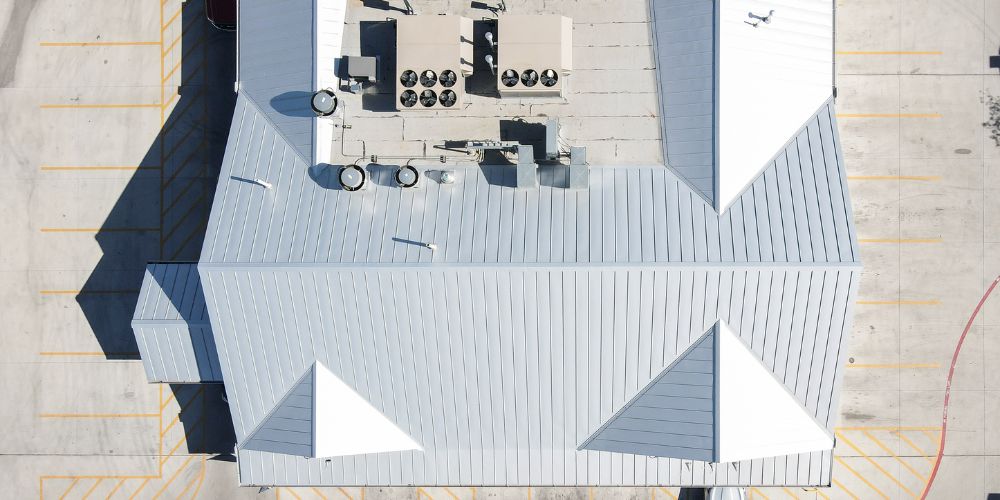
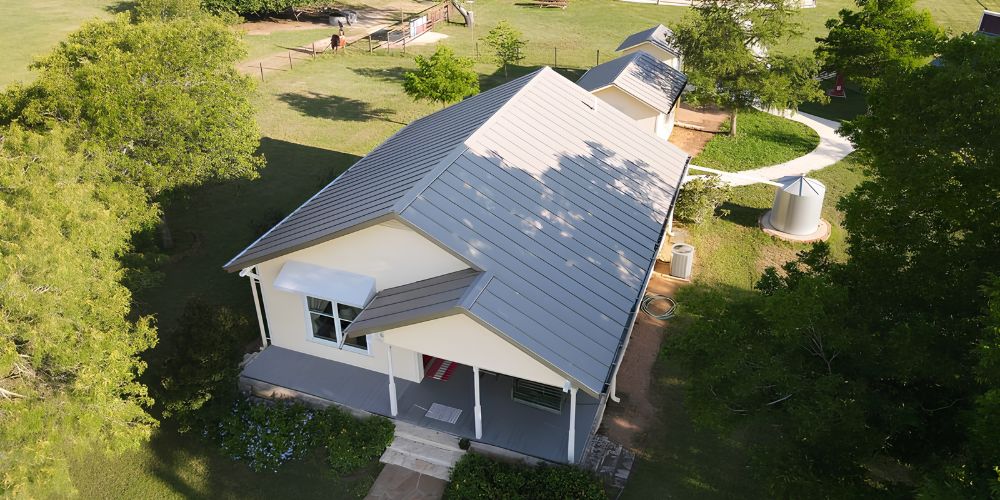
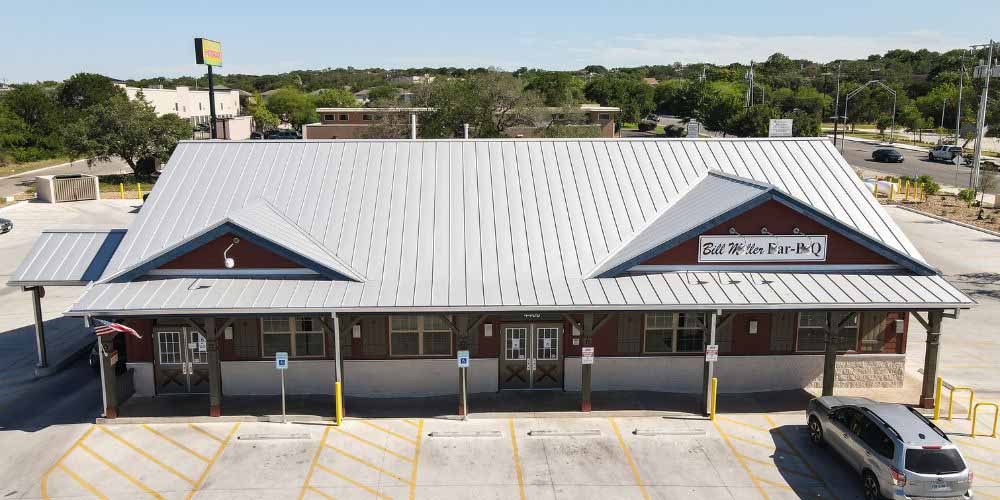
Metal roofing is one of the most common yet inexpensive applications used in commercial properties in San Antonio. It is also known for its reliability and durability, with the ability to withstand strong winds, heavy rain, and other harsh weather conditions. It is also fire-resistant and reflects sunlight, helping reduce heat buildup and improve energy efficiency.
Although the upfront installation cost might be higher than other options, its low maintenance requirements and long service life make metal roofing a cost-effective investment over time. Metal roofing comes in various styles and colors, improving a building’s appearance while providing long-lasting protection.
Modified Bitumen Roofing
Modified bitumen roofing is a cost-effective roofing system commonly used on flat and low-slope commercial roofs. It is made by combining asphalt with polymer modifiers to improve flexibility, durability, and weather resistance. Asphalt with modifiers is added to the roofing, giving it more strength and flexibility. It’s appropriate for flat or low-sloping roofs; modified bitumen resists punctures and tears very well, standing up well against the weather conditions in this city. The installation process is relatively easy, though the most common installation methods are heat-welding and cold adhesives.
Additionally, it has multilayers that ensure exemplary waterproofing, reducing leakage risks. While this certainly requires occasional maintenance, affordability, and effectiveness make modified bitumen roofing a preferred choice for businesses looking to find a dependable roofing solution without incurring too much cost.
TPO Roofing
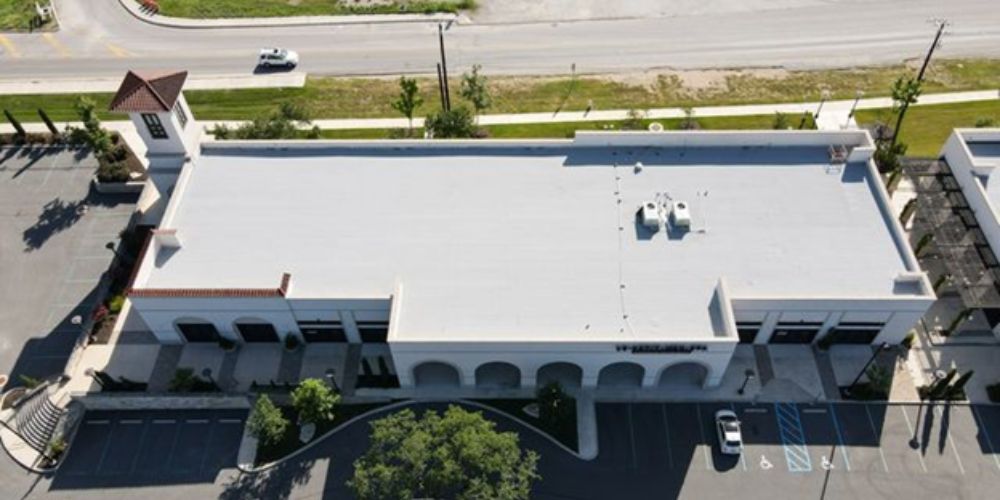
TPO is an inexpensive, energy-efficient roofing solution for commercial properties in San Antonio. Its white reflective surface reflects most sunlight’s ability to cool a building. Additionally, it is highly tear—and puncture-resistant and adequately resistant to different chemical exposures; therefore, it is suitable for a comprehensive range of diversified commercial applications.
Lightweight, easy to install, reducing labor costs. It also has good seam strength and flexibility to accommodate building movements and temperature changes. TPO Roofing in San Antonio is one of the more favored options among businesses looking for a long-lasting, energy-saving roofing solution with its evident balance concerning cost and performance.
PVC Roofing
PVC roofing is one of several commercial roofing materials available for businesses. It offers excellent resistance to chemicals, moisture, fire, and punctures, making it a practical choice for restaurants, manufacturing facilities, and other buildings that require long-term waterproofing. Its reflective surface can also help improve energy efficiency by reducing heat absorption.
Although installation costs may vary depending on the project, PVC roofing is known for its durability, low maintenance requirements, and long service life, making it a cost-effective option for many commercial properties.
Businesses considering PVC roofing services in San Antonio can learn more about installation options, system benefits, and whether PVC is the right fit for their commercial property.
Built-up Roofing (BUR)
Built-up roofing (BUR) is a long-established commercial roofing system made from multiple layers of bitumen and reinforcing fabrics. It is commonly installed on flat and low-slope roofs because it provides dependable waterproofing and long-term durability. The layered construction also helps protect against UV exposure and harsh weather, making BUR a practical option for many commercial buildings in San Antonio.
Although the installation process can be more labor-intensive than some single-ply roofing systems, its durability and relatively low maintenance requirements make it a worthwhile long-term investment. Many BUR systems also include a gravel or mineral surface that helps protect the roof and can improve energy efficiency by reflecting sunlight.
EPDM
EPDM roofing is a cost-effective synthetic rubber membrane commonly used on commercial flat and low-slope roofs. It offers excellent resistance to UV exposure, changing temperatures, and weathering, making it a durable option for many commercial buildings.
Its flexibility allows it to expand and contract with temperature changes, helping reduce the risk of cracks and leaks over time. EPDM roofing is also relatively easy to install and maintain, contributing to lower long-term maintenance costs. Available in black and white, it can also help improve energy efficiency depending on the building’s needs.
| Roofing System | Best For | Typical Lifespan | Relative Cost |
| Metal Roofing | Long-term durability | 40–70 years | High |
| TPO Roofing | Energy efficiency | 20–30 years | Moderate |
| PVC Roofing | Chemical & grease resistance | 20–30 years | Moderate to High |
| Built-up Roofing (BUR) | Waterproofing | 20–30 years | Moderate |
| Modified Bitumen | Flat & low-slope roofs | 15–25 years | Moderate |
| EPDM Roofing | Budget-conscious projects | 20–30 years | Low to Moderate |
Why the Lowest-Cost Roof Isn’t Always the Least Expensive in San Antonio
Commercial roofs in San Antonio are exposed to intense summer heat, UV radiation, heavy rain, and occasional hail. While some roofing systems have a lower upfront cost, they may require more maintenance or need replacement sooner depending on the building’s use and roof design.
For many commercial property owners, the better investment is a roofing system that balances durability, energy efficiency, maintenance requirements, and expected service life. Looking beyond the initial price can help reduce repair and replacement costs over the life of the roof.
When comparing commercial roofing options, consider:
- Expected service life
- Maintenance requirements
- Energy efficiency
- Resistance to weather and foot traffic
- Compatibility with your building’s roof design
Choosing the right commercial roofing system means finding the best overall value, not simply the lowest installation price.
Conclusion
Choosing the right commercial roofing system depends on your building’s design, budget, maintenance requirements, and long-term performance goals. Metal roofing, modified bitumen, TPO, PVC, built-up roofing (BUR), and EPDM each offer distinct advantages, making it important to compare their durability, energy efficiency, and overall value before making a decision.
If you’re planning a commercial roofing project and need help selecting the right system, the team at Mangold Roofing can provide expert guidance and installation services tailored to your property’s needs.